


 Page Type:
|
List |
|---|---|

|
Overview
The National Parks in North Europe.
Links to the official national park websites under each country. Surprisingly few of the mountains which are represented on SP lies in the parks.
History and the idea behind National Parks.
A national park is a reserve of land, usually declared and owned by a national government, protected from most human development and pollution. A National Park also has a set of rules which the public must follow. The largest national park in the world is the Northeast Greenland National Park.
In 1810 the English poet William Wordsworth described the Lake District as a "sort of national property in which every man has a right and interest who has an eye to perceive and a heart to enjoy". Another of the first people generally credited with conceptualizing a "national park" was an American painter, George Catlin (1796-1872). He was worried about the impact of America's westward expansion on Indian civilization, wildlife, and wilderness. They might be preserved, he wrote, "by some great protecting policy of government . . . in a magnificent park . . . . A nation's park, containing man and beast, in all the wild and freshness of their nature's beauty!" In Sweden, for instance, Baron Adolf Erik Nordenskiöld made such a proposition in 1880.

The first time in history that a federal government actually set aside scenic lands simply to protect them and to allow all people to enjoy it was in the US during the end of the 19th century. This developed into Yellowstone becoming the first official national park a few years later, in 1872. In Europe the first national parks were a set of nine parks in Sweden in 1909. Europe has approximately 359 national parks at the moment, but it's growing. In Sweden the first marine park is on it's way, Kosterhavet, a fjord, which will come true 2009. After World War II, national parks were founded all over the world. Some countries were rather late with establishing national parks. In France the Vanoise National Park in the Alps was the first national park, created in 1963 after a public mobilization against a touristic project.
Links to other National Park pages in Europe
NPs of Central and Eastern Europe
NPs of West Europe
NPs of Northwest Europe
NPs of Northeast Europe
Iceland
This seems to be the best page about the Islandic national parks.National Parks Iceland
The official page is The Environment and Food Agency of Iceland
Thingvellir is missing on their page...
Iceland is sub-arctic.

| National Park name | Climate/location. | What kind of place. |
| Thingvellir National Park | Arctic | lies in the crack between the European and the American tectonic plates. In Thingvellir lake there are fishes found nowhere else. |
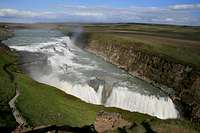
| Gullfoss National Park | Arctic | the Golden Falls, very close to Thingvellir. Waterfalls. |
| Snaefellsjökull National Park | Arctic | lies at the foot of a volcano which is covered by a glacier. It's the only national park that goes from the shore to the summit. |
| Jökulsárgljúfur National Park | Arctic | is shaped by the streams coming from Vatnajökul. Here lies Dettifoss – the largest waterfall in Europas. |
| Skaftafell National Park | Arctic | Lies also in an area with glacialrivers from Vatnajökul. Kristínartindar and Hvannadalshnukur lies here. A green oasis in the middle of the sterile sand, which flows out from below the ice. |
Norway

| 28 National Parks in Norway. Map over Norway´s National Parks |
| National Park name | Size | What kind of place. |
| Blåfjella-Skjækerfjella nationalpark | 1924 km² | Mighty forestvalleys with some virgin forest. Highfjelds. |
| Børgefjell nationalpark | 265 km² | High mountains and deep valleys. Polar fox. |
| Dovre nationalpark | 289 km² | Snowless softly rounded mountains up to 1700 meters in wilderness. |
| Dovrefjell-Sunndalsfjella nationalpark | 1693 km² | Mountain area. Norway's national fjeld. Wild reindeer, wolverines, polar fox and golden eagle. Muskoxes. |
| Femundsmarka national park | 386 km² | Mountains. Lakes, canoing. Together with the Swedish side, Femundsmarka nasjonalpark is one of the largest untouched connected wilderness areas in south of Norway. |
| Folgefonna nationalpark | 545 km² | Mountain area. Gelogically interesting. Glacier. |
| Forollhogna nationalpark | 1062 km² | Fjelds with reindeer. |
| Gutulia nationalpark | 18 km² | Virgin forests, fjeld and moorlandscape. Fishing. Mountain area. |
| Hardangervidda nationalpark | 3422 km² | The largest in Norway, an especially important highfjeld area. The largest herd of wild reindeeer in Europe and the southernmost place for polar fox and snow eagle. (That's a VERY cool bird...) |
| Jostedalsbreen nationalpark | 1230 km² | Mountain area. From deciduous forest to glaciers and highfjelds. Largest glacier in continental Europe. |
| Jotunheimen nationalpark | 1151 km² | The highest fjelds in North Europe. Galdhøpiggen 2 469 m, and Glittertind, a few meters lower. Jotunheimen's best climbing lies in Hurrungane, as Store Skagastolstind, Torfinnstindane, Tjornholstind, Steindalsnosi, href=https://www.summitpost.org/mountain/rock/154674/store-smorstabbtinden.html>Store Smørstabbtinden , Sentraltind and Fanaråken. |
| Junkerdal nationalpark | 682 km² | Arctic mountain area. Sami culture. Together with adjoinent parks in Norway and Sweden,(The Lapponia World Heritage parks) this is one of the largest wilderness areas in Scandinavia. |
| Lierne nationalpark | 333 km² | Mountain area. Arctic predators. |
| Møysalen nationalpark | 51 km² | Lofoten and Vesterålen. Fabulous landscape. In the vicinity is also Vågakallen and Svolværgeita . |
| Ormtjernkampen nationalpark | 9 km² | Virgin forest. Mountaineous, of course. |
| Rago nationalpark | 170 km² | Arctic and wild, spectacular fjeldlandscape with deep ravines and giant boulders. |
| Reinheimen nationalpark | 170 km² | Large wildernessy fjeld area. Trollveggen lies here. |
| Reisa nationalpark | 803 km² | Arctic. Reindeer land with deep valleys and gorges. Rivers with waterfalls down granitewalls og uncountable giant's pots. |
| Rondane nationalpark | 580 km² | Mountainarea, first national park in Norway. Fjelds and wild reindeer. |
| Saltfjellet-Svartisen nationalpark | 2102 km² | Arctic mountain area. Nord-Skandinavia's largest glacier. The most diversified nature of all national parks in Norway, from fjord to summit. |
| Seiland nationalpark | 316 km² | Very arctic mountaineous island in the outer alpine archipelago of Finnmark. Two large glaciers, Seilandsjøkelen og Nordmannsøkelen, are the lowest lying glaciers in Skandinavia. Roadless wilderness. |
| Skarvan og Roltdalen nationalpark | 441 km² | Mountain area with forests. |
| Stabbursdalen nationalpark | 98 km² | Arctic. The most northern pine forest ...must be in the world. A good salmonriver. Fjelds. |
| Varangerhalvøya nationalpark | 2079 km² | Very arctic. The most arctic place in continental Europe. Polar fox. Whales. Geese. |
| Ånderdalen nationalpark | 68 km² | Arctic coast landscpe with mountains. Elk. |
| Øvre Anarjóhka nationalpark | 1409 km² | Arctic nature. Borders to the Finnish Lemmenjoki National Park. |
| Øvre Dividal nationalpark | 750 km² | Mountain area. Predatorland. The wolverine's kingdom. |
| Øvre Pasvik nationalpark | 66 km² | Very remote arctic wilderness. Flat. The pineforest on the border to Finland and Russia is one of the country's largest virgin forest areas, and is a tip of the Sibirian taiga. |

National Parks in Svalbard
| Goldie Oz adds that access to any or all of the parks in the archipelago (or, indeed, anywhere at all outside of Longyearbyen) requires advance notification or permission (depends where you're going) from the Sysselmann's office in Longyearbyen as well as proficiency with flare guns and rifles for self defence against polar bears. There are 5000 of them and 2000 of us up there. |
| National Park name | Size | What kind of place. |
| Forlandet nationalpark | 616 km² | Wide coast and magnificient fjeldchain. The park is the major area for the world's most northern population of population of Harbour seal(Phoca vitulina)and also the most northern nesting population of Common guillemot (Uria aalge). |
| Indre Wijdefjorden nationalpark | 616 km² | Wijdefjorden is Svalbard's longest fjord. Climate studies and flora. |
| Nordenskiöld Land nationalpark | 1207 km² | Nordenskiöld Land has the largest valley that's free of ice. Interesting moor. |
| Nordre Isfjorden nationalpark | 2050 km² | Mountains. Birdhabitat. |
| Nordvest-Spitsbergen nationalpark | 3683 km² | Hot springs, glaciers. Mountains and islands. Birdhabitats and remnants of volcanoes. Cultural remnants of whalehunting and North Pole expeditions. |
| Sassen-Bünsow Land nationalpark | 1157 km² | Rivers, waterfall. Birdhabitats. |
| Sør-Spitsbergen nationalpark | 5025 km² | Magnificient landscape. Largest seabird colony on Svalbard. The major polarbear area. (Sør means South, so this is "South Spitsbergen"). |
Finland
 The Beautiful Baltic coast, in Southern Sweden, near Stenshuvud The Beautiful Baltic coast, in Southern Sweden, near Stenshuvud |
35 National Parks in Finland.
Map over the Finnish National Parks
The Metsähallitus writes that:
"Wilderness trekking in winter is not for the inexperienced; as distances between stops are long and harsh conditions can cause dangerous situations especially if one is unprepared.
Beginners should first try out short treks and stay in areas with open wilderness huts to shelter in. This sort of trails can be found in Pallas-Yllästunturi, Lemmenjoki and Urho Kekkonen National Parks.
After gaining some experience trekkers can try their hand at the wilderness areas. The wilderness areas where it is easiest to go on wilderness treks are Käsivarsi, Muotkatunturi, Paistunturi and Hammastunturi"
| National Park name | Climate/location. | What kind of place. | |
| Archipelago | Sub-Arctic | Baltic Sea archipelago. Rugged rocky islets and forested islands. | |
| Eastern Gulf of Finland | Arctic | Outer archipelago of the easternmost coast. Hundreds of islands and islets in large open sea area. Birdlife and war history. | |
| Ekenäs Archipelago | Sub-Arctic | Archipelago. | |
| Helvetinjärvi (Hell's lake) | Sub-Arctic | Deep gorges, deep rifts, steeply sided lakes, small forest ponds and remote forests. It is possible to walk all the way to Riuttaskorpi recreational forest and Seitseminen National Park on hiking routes called Pirkan Taival. | |
| Hiidenportti | Sub-Arctic | Backwoods. Hiidenportti Gorge. A mosaic mix of mires and dry forests. | |
| Isojärvi (Large lake) | Sub-Arctic | Canoing place. Forest and lake landscape, wilderness-like. Difficult terrain at places. | |
| Kauhaneva-Pohjankangas | Sub-Arctic | Barren dry forests and many large open bogs. | |
| Koli | Sub-Arctic | Forested hills. Rare geological features, a versatile array of animal species and an abundance of plant species. Once a sacrificial site. Slash-and-burn agriculture. | |
| Kolovesi | Sub-Arctic | Lake Saimaa archipelago. Glacial relict is the most endangered seal in the world, the Saimaa Ringed Seal. Its ancestors got cut off in the lake when Saimaa became detached from the Baltic Sea at the end of last Ice Age. | |
| Kurjenrahka | Sub-Arctic | Mires and forests. | |
| Lauhanvuori | Sub-Arctic | Rugged dry pine forests, springs and spring-fed brooks, bogs full of puddles, and barren stone deposits. | |
| Leivonmäki | Sub-Arctic | Wilderness-like landscape attractive to families. | |
| Lemmenjoki | Arctic | Rock Island, granite. Largest national park in Finland. Borders to Norwegian "Övre Anarjokka nationalpark". Remote wilderness. Uninhabited and roadless. Closer part has trails and cabins. Large rivers, forests, fjelds, and boglands. Bear, elk and eagles. | |
| Liesjärvi | Sub-Arctic | Backwoods, cultured fields. Shores and beaches. Cultural. | |
| Linnansaari | Sub-Arctic | Finnish lakeland. Boaters. | |
| Nuuksio | Sub-Arctic | Marked trails, cooking shelters and camping sites, close to Helsinki. | |
| Oulanka | Sub-Arctic | Borders to the Russian "Paanajärvi National Park" (parks.karelia.ru). Huge pine forests,(the non-ending forest goes to Siberia) river valleys with sandy banks and rapids. In the north vast mires. Rich with animal and plant species, even endangered ones. | |
| Pallas-Ounastunturi | Arctic | Fells surrounded by forests and mires. | |
| Patvinsuo | Sub-Arctic | Wilderness-like. | |
| Perämeri | Arctic | Sea and shore. Rising land. | |
| Petkeljärvi | Sub-Arctic | Forest with steep ridges. | |
| Puurijärvi och Isosuo | - | Bird habitat, mire. | |
| Pyhä-Häkki | Sub-Arctic | Old-growth forests and trees of great age. | |
| Pyhä-Luosto | Arctic | Finland’s most southern fell chain. | |
| Päijänne | Archipelago | Lake area. Canoeing and boating. Islands. | |
| Repovesi | Sub-Arctic | rugged backwoods. | |
| Riisitunturi | Arctic | Fell and hill landscape, with colourful hanging bogs on the fell sides. | |
| Rokua | Sub-Arctic | Forests with trails. | |
| Salamajärvi | Sub-Arctic | Mire ecosystems. Wild Forest Reindeer. | |
| Seitseminen | Sub-Arctic | Rugged watershed region. Forests, mires and eskers. | |
| Syöte | Arctic. | Rugged hills, special bogs on hill tops and slopes, and old spruce forests. | |
| Tiilikka | Sub-Arctic | Outdoor recreation. | |
| Torronsuo | Sub-Arctic | Large open mire landscape has looked the same for thousands of years. | |
| Urho Kekkonens nationalpark | Arctic | Large forest wilderness. The western side of the park has marked trails. Magnificent fells, broad mires and backwoods. | |
| Valkmusa | Sub-Arctic | Vast mire landscape. |
Sweden

| 28 National Parks in Sweden. A 29th is on its way, "Kosterhavet". Map over Sweden´s National Parks |

| National Park name | Climate/location. | What kind of place. | |
| Abisko | Arctic | Mountains. Njulla lies here. Part of Lapponia World Heritage. | |
| Björnlandet | Sub-Arctic | Majestic virgin forest. Boulder fields and precipices. | |
| Blå Jungfrun | - | Rock Island, granite. Caves. Home of witches. | |
| Dalby Söderskog | South | Deciduous forest | |
| Djurö | - | Cool archipelago in lake Vänern. | |
| Fulufjället | Sub-Arctic | Waterfall. Mountains. Rocky canyons. | |
| Färnebofjärden | - | Birdlife in river landscape. | |
| Garphyttan | - | Flowers, cultural landscape. | |
| Gotska Sandön | Far out at sea. | Cool deserted and barren sand island. | |
| Hamra | Sub-Arctic | Coniferous forest. | |
| Haparanda Skärgård | Arctic | Beach and dune landscape. Islands. | |
| Muddus | Arctic | Virgin forest, giant pines. Mosaic of bogs. Precipitous ravines. Muddusjokk waterfall. Part of Lapponia World Heritage. | |
| Norra Kvill | - | Forest. | |
| Padjelanta | Arctic | Mountains. Wilderness. Lapponia World Heritage. | |
| Sarek | Arctic | Mountains. Glaciers. Legendary wilderness. In west it borders to Padjelanta nationalpark and in east to Stora Sjöfallets nationalpark. Part of Lapponia World Heritage. | |
| Skuleskogen | Sub-Arctic | Mountaineous, ravines, coast, wild. Cool place. | |
| Stenshuvud | South | Coast hill. Lots of people in summer. | |
| Stora Sjöfallet | Arctic | Mountains. Wilderness. Part of Lapponia World Heritage. Akka lies here. | |
| Store Mosse | - | A huge bog. Lots of elk. Shifting sand bog dunes. | |
| Sånfjället | Sub-Arctic | Mountain. Mountain moorland. | |
| Söderåsen | South | Fissure valleys. Forest. Lots of people. | |
| Pieljekaise | Arctic | Mountains. | |
| Tiveden | - | Wild hilly forest landscape. Boulders. True wilderness. | |
| Tresticklan | - | Natural forest. Rift valley landscape | |
| Tyresta | – | Virgin forest. Ravines with rocky outcrops | |
| Töfsingdalen | Sub-Arctic | Giant boulders. Virgin pine forest. | |
| Vadvetjåkka | Arctic | Mountains. Wilderness. Caves. Part of Lapponia World Heritage. | |
| Ängsö | Archipelago | Cultivated island. |
| Lapponia World heritage: |
 |
Denmark
| [img:180367:aligncenter:medium:Uummannaq island. Photo by polarbear] |
 4 Areas & Ranges