


 Page Type:
 Lat/Lon:
 Date Climbed/Hiked:
 Activities:
 Season:


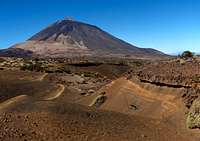


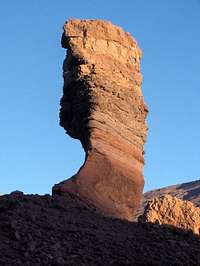


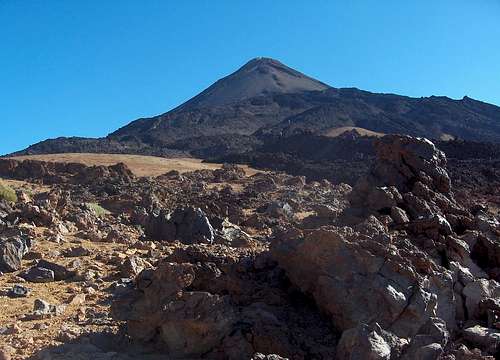
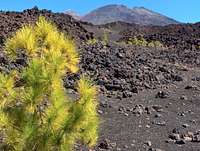

rgg - Nov 20, 2010 4:58 pm - Hasn't voted
Re: Beautiful!Oh yes, this really is a beautiful national park. And not just for the peak, which was special, but las Cañadas are impressive too.
ojo - Nov 20, 2010 12:48 pm - Voted 10/10
Super work.You've been working hard on this! - well done.. very good layout and wonderful photos.
rgg - Nov 20, 2010 5:00 pm - Hasn't voted
Re: Super work.Thanks, and yes, I have been working on this for a while - you already saw glimpses of it ;-).

EricChu - Nov 20, 2010 2:51 pm - Voted 10/10
Excellent trip report!The layout is very good, the photos are fantastic and you wrote us a very good report that one really reads!
Cheers,
Eric
rgg - Nov 20, 2010 5:08 pm - Hasn't voted
Re: Excellent trip report!Thanks, glad you liked the story. I think I'm starting to get the hang HTML and how SP deals with it.
Cheers, Rob

kamil - Nov 21, 2010 6:40 am - Voted 10/10
Gefeliciteerd!Een heel mooie vakantie en TR!
You went full monty with the all-round Tenerife hiking, lucky you. I just had 1 day for the Teide hike last summer. In fact it was my 2nd attempt, having been beaten by red tape the year before. I'll post my TR soon too.
You've got the grip of html real quick BTW, I like your arrangement of photos!
Cheers,
Kamil
rgg - Nov 21, 2010 11:04 am - Hasn't voted
Re: Gefeliciteerd!Thanks! However, I wouldn't say I saw all of Tenerife. I could easily spend another hiking holiday there, and I just might do that someday, this time combined with La Gomera or El Hierro.
Fortunately, I had learned out about the red tape before I went there, which is why I made a reservation at the refugio.

peninsula - Nov 21, 2010 7:24 pm - Voted 10/10
SpontaneousNothing like a good dose of spontaneity! Fun story, thanks for sharing
rgg - Nov 21, 2010 8:10 pm - Hasn't voted
Re: SpontaneousMind you, I went on very short notice, but not unprepared. Of course I browsed SP before booking a flight - there are truly excellent pages covering Tenerife! And after that, I made some inquiries about the permit and ended up with a booking in the refuge. That's it, no other reservations. I figured, I carry tent ...

Proterra - Nov 22, 2010 6:42 am - Voted 10/10
TeideStaat al gans lang op mijn verlanglijstje. En ik wist niet dat wanneer je er keivroeg uit je bed kwam, je het gewoon kon beklimmen. Ik stelde me altijd iets vergelijkbaars met Etna in 2005 voor; wachten tot parkwachters naar huis gingen en dan gewoon zwartklimmen... Veel dank voor die nieuwe informatie...
rgg - Nov 22, 2010 7:32 am - Hasn't voted
Re: TeideDe beklimming is simpel, maar het is een hele mooie berg, wat mij betreft staat hij terecht op je lijstje. De afdaling langs Pico Viejo is een aanrader.
Bij het lezen van tevoren kwam ik allerlei informatie tegen over die permit. Niet overal stond hetzelfde, maar het was wel duidelijk dat het zonder permit niet mocht en dat daar ook streng op werd toegezien. In de refugio vertelde de waard dat het betalingsbewijs voor de overnachting ook voldoende was om vroeg in de morgen de top te beklimmen, maar niemand heeft me daar verder nog naar gevraagd, ik kon zo doorlopen. Logisch, de rangers komen natuurlijk ook pas met de eerste lift naar boven.
Ik heb niet nagevraagd of het ook is toegestaan om de beklimming te doen nadat de kabelbaan aan het eind van de middag is gestopt, want ik vind het prachtig om bij zonsopgang boven op een berg te zitten. Als er geen controle meer is, kan het natuurlijk gemakkelijk. Alleen moet je daarna wel vrij laat weer helemaal naar beneden zien te komen en dat kan gevaarlijk worden. In de schemering is de route langs Pico Viejo veel te riskant, en ook de normale route, langs de refugio, zou ik liever niet in het donker afdalen.
kamil - Nov 22, 2010 10:15 am - Voted 10/10
Re: TeideAfgelopen zomer wandelde ik alle weg van het zuid-west via Pico Viejo en 'zwartklom' (als Proterra zagt) de top bij zonsondergang, het was ook heel prachtig, en gelukkig de rangers waren daar niet meer. Ik bleef niet op de refugio en ging naar mijn auto op Montana Blanca in het donker. Ik heb geen idea als dit is legal of niet - ik verkoos niet te vragen :)

Sierra Ledge Rat - Nov 22, 2010 8:15 pm - Voted 10/10
WonderfulI always wanted to go there - for caving!
rgg - Nov 22, 2010 8:37 pm - Hasn't voted
Re: WonderfulHave to admit, I didn't know there was caving to be had on Tenerife, but your comment made me check, and I found some interesting info on it in the Teno range. That makes the Canary Islands even more diverse!
For the time being, I'll stick to above ground adventures - though you never know what the future brings - but good luck on your trip.

Mountain_girl - Nov 22, 2010 9:40 pm - Voted 10/10
Cool!That's a very nice report. Thanks for sharing! I also went to Tenerife a few years ago and was super happy that there is more to do than beaches there :) But I unfortunately did not manage to get a permit to go all the way to the top of Teide.
rgg - Nov 22, 2010 11:37 pm - Hasn't voted
Re: Cool!Ah well, there's always a next time.

Rick B - Oct 8, 2012 10:43 am - Voted 10/10
Great Trip Report.. and great photos. Some good inspiration for next year's autumn holiday perhaps :-)
Cheers,
Rick
rgg - Oct 9, 2012 2:07 pm - Hasn't voted
Re: Great Trip ReportThanks. I still vividly remember the experience of being on top of that volcano at sunrise. Highly recommended!

HikingMan - Aug 7, 2018 7:57 am - Hasn't voted
Great job, and thanksYou did a wonderfully thorough job on your summit post. Thanks so much.
rgg - Aug 10, 2018 1:08 pm - Hasn't voted
Re: Great job, and thanksThanks for the compliment.
Cheers, Rob
Comments
Post a Comment