


 Page Type:


Vid Pogachnik - Sep 2, 2007 11:04 am - Voted 10/10
Brilliantly written!I'm glad you have presented us this great climber. We heard so much about him, now here's the amazing story of his climbing.

ganesh70 - Sep 2, 2007 11:11 am - Hasn't voted
Re: Brilliantly written!Thank you! Cozzolino was really a fantastic climber, but there aren't books or famous articles that talk about him, so it's not easy to find information about his life. I hope this article will help people that want to know something about him.
( thank you also for correcting the typo )
Fab

Bor - Sep 3, 2007 2:43 am - Voted 10/10
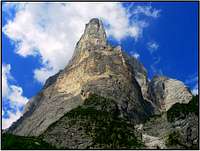
Thanks......for writting about this climber. I did not know that he died so young. Intereseting reading! I also attached the photo of Piccolo Mangart di Coritenza.
Cheers!
ganesh70 - Sep 3, 2007 3:20 am - Hasn't voted
Re: Thanks...Thank you! For me Cozzolino was the best rock climber of his era, I've seen in the Dolomites some of his routes and I can't believe he climbed it in free-solo!
Cheers!

chris.mueller - Sep 3, 2007 11:39 am - Voted 10/10
I wonder..how comes that he did not become better-known to us nowadays. Thanks a lot for bringing him back to memory.
Cheers
Chris
ganesh70 - Sep 3, 2007 12:19 pm - Hasn't voted
Re: I wonder..Good question. It seems that only the people of his town remember him. But what is important is the great respect that all the climbers of those years had for him, not only Messner.

Andrej Mašera - Sep 3, 2007 5:42 pm - Voted 10/10
Excellent articleDepicting the short but very rich alpinistic life of Enzo Cozzolino, who was promising to become the Greatest of All, you successed to disclose his extremely high climbing capacities, his purest ethics and decency of his very being as a great man. I admire your endeavour to obtain these abundant data about him. He undoubtedly deserves a biography, so let you consider a bit abot this idea...
Complimenti, Fabrizio, il tuo articolo e davvero affascinante.
Ciao, Andrej
ganesh70 - Sep 4, 2007 2:16 am - Hasn't voted
Re: Excellent articleThank you, I'd really like to know more about this great alpinist of my regione but it seems that everybody has forgotten him. He really deserves a biography ( I think the alpinist and writer from Trieste Spiro dalla Porta Xidias could have written it, because he knew him well ) but I'm not a writer, I hope somebody in the future will write it.
Fab

Worldalpiner - Sep 10, 2007 3:48 am - Hasn't voted
Great storyThanks for having described so wonderfully Enzo's story, I live in the place he probably wrote his climbing best pages. I have been to the "Bivacco" dedicated to him at the bottom of Agner north face so many times, climbing on those mountines and never realy knew who he was and that his departure was so premature. Yesterday i was on the Spiz d'Agner Sud , tomorrow I will look at that mountine in a differnt way.
Stefano
ganesh70 - Sep 10, 2007 4:05 am - Hasn't voted
Re: Great storyThank you for this beautiful words Stefano! It's very strange that not even italians know much about this great climber.
Ciao!!
ganesh70 - Sep 10, 2007 12:18 pm - Hasn't voted
Re: Grongo?Thank you Rh! I'm not sure but I think grongo is a strange kind of fish of the eels family.
Ciao!

Bill Reed - Sep 26, 2007 9:25 pm - Voted 10/10
Never heard of.....Enzo Cozzolino, don't know of the mountains you mentioned, but I do know something about the passion you speak of.
Very well written account of a young life cut short. I'm a better man for having read about "Grongo".
Thanks!!
ganesh70 - Sep 27, 2007 4:13 am - Hasn't voted
Re: Never heard of.....Thank you for your nice words!
Comments
Post a Comment