


 Page Type:
|
Mountain/Rock |
|---|---|
 Lat/Lon:
|
51.59790°N / 4.9487°W |
 County:
|
Pembrokeshire |
 Activities:
|
Trad Climbing |
 Season:
|
Spring, Summer, Fall, Winter |
|
Elevation:
|
131 ft / 40 m |

|
Overview
The steep limestone cliffs of the Castlemartin Range are notorious for their serious nature, hard climbs and committing starts. Just looking at some of the routes here is enough to make your hands sweat and your legs shake in nervous apprehension. However, if you look for it, the climbing here isn't all crimpy holds and overhangs, because dotted along the coast are a number of crags with far friendlier personalities. Saddle Head is one such crag, and in fact, is probably the friendliest crag in the area, for it can boast more easy to mid grade climbs than any of its neighbours. This combined with the option to down climb rather than abseil to its base, makes it an ideal introduction to the area, and a superb initiation for the less experienced. If you are into your harder climbs though, fret not, as the grades reach a very respectable E5 6b. |


Rock Climbing
The climbing at Saddle Head can be split between five areas: Saddle Head North/Cyclops Eye Area, Saddle Head Main Cliff, Upper Tier, Saddle Head Tip and The Devil's Barn, which can be further subdivided into West and East Walls. With the exception of the Upper Tier, all areas are in some way affected by the tide, the degree of which can depend of the time of year and weather. Saddle Head North and The Devil's Barn both require abseils to reach. Metal stakes are in place at the top of the cliff to facilitate this. There is a radar station surrounded by a wire enclosure situated at the top of the cliffs. It cannot be stressed too strongly that climbers should avoid damaging the wire fencing and at all costs refrain from using any part of the installation, including fence posts, as belay anchors. Past incidents have resulted in climbers being asked to leave, and in the interest of future access rights, such incidents must be avoided in the future. Crags and routes are listed from left to right, and are graded and rated with the aid of the old Climbers' Club Guide to Pembroke, the old Pembroke Supplement and the 2009 Rockfax Pembroke guide. Since then, the Climbers' Club have published a new comprehensive guide for this area, Pembroke Volume 4: Range East – Saddle Head to St. Govans, which adds a significant number of new crags and routes to the area, though the changes to this pages' crags are few. Nevertheless it is recommended that you refer to this or the Rockfax book for up-to-date information and route descriptions. In addition to these sources Rockfax’s website also has descriptions for the routes included in its book, which can be viewed on its online route Database. |
 Looking west from Saddle Head towards Stack Rocks and the Green Bridge of Wales (Photo by Nanuls) |  Sea Mist - Hard Severe 4a (Photo by Nigel Lewis) |
Routes are rated using the British Adjectival Grading System. A conversion table of international climbing grades by SP member Corax is available: download it here. With the exception of Tenby South Beach Quarry, bolting is strictly prohibited everywhere in Pembroke, so don’t even think about it here. Route Symbols:
Saddle Head North/Cyclops Eye Area
|

| No. | Name | Length | Pitches | Adjectival Grade | Technical Grade | Quality | Restrictions |
|---|---|---|---|---|---|---|---|
| 1. | Hades | 52m | 2 | VS | 4c, 4b |  |  |
| 2. | The Empty Quarter | 27m | 1 | HS | 4b | | |
| 3. | Slip and Slide | 27m | 3 | VS | 4c, 4b | | |
| 4. | Unbelievable Stories | 34m | 2 | HVS | 4c, 4a |  | |
| 5. | Telling Stories to the Sea | 21m | 1 | E2 | 5c |  | |
| 6. | Kipper | 21m | 1 | E1 | | | |
| 7. | Hotter Than July | 30m | 2 | E2 | 5b, 4b | | |
| 8. | Sharp Practice | 18m | 1 | E1 | 5b | | |
| 9. | Between the Pub and the Deep Green Sea | 18m | 1 | E1 | 5b | | |
| 10. | Sunform | 23m | 1 | E4 | 5c | | |
| 11. | New Route Fever | 23m | 1 | E3 | 5c | | |
| 12. | Bridge of Size | 18m | 1 | HVS | 5a | | |
| 13. | Size Isn't Everything | 23m | 1 | E3 | 6a | | |
| 14. | Persuasion | 18m | 1 | E1 | 5b | | |
| 15. | A Stretch of the Imagination | 27m | 1 | E1 | 5b | | |
| 16. | A Grand Day Out | 21m | 1 | HVS | 4c | | |
| 17. | Yoiks | 18m | 1 | HVS | 5a | | |
| 18. | Whoops | 18m | 1 | HVS | 5a | | |
| 19. | Whoopee | 18m | 1 | E1 | 5a | | |
| 20. | Whoopee-variation | 18m | 1 | HVS | 5a | |
|
| 21. | Low Velocity | 15m | 1 | E5 | 6b | | |
| 22. | So Low | 21m | 1 | VS | 4b | | |
| 23. | High Velocity | 27m | 1 | E3 | 6a | | |
| 24. | Trajectory | 21m | 1 | HVS | 5a | | |
| 25. | Honeycomb | 27m | 2 | HVS | 5a, 5a | | |
| 26. | Brochette | 21m | 1 | HVS | 5a | | |
| 27. | Sea Serpent | 24m | 1 | E4 | 5c | | |
| 28. | Spring Low | 18m | 1 | HVS | 5a | | |
| 29. | Sweet Chariot | 18m | 1 | HVS | 5a | | |
| 30. | Dunk | 24m | 1 | VS | 4b | | |
| 31. | Blazing Saddles | 24m | 1 | HVS | 5b | | |
| 32. | Stirrup Pump | 27m | 1 | HVS | 5a | | |
| 33. | Red Toupee | 24m | 1 | E2 | 5c | | |
| 34. | Time Slip | 24m | 1 | E3 | 5c | | |
| 35. | New Labour | 43m | 1 | S | | | |
| 36. | Leaning to the Left | 43m | 1 | HVS | 5a | | |
| 37. | Spin Doctor | 43m | 2 | E1 | 5a, 4b | | |
| 38. | Orima | 38m | 2 | E2 | 5b, 4b | | |
| 39. | Barbed Wire Blues | 43m | 2 | E1/2 | 5b, 4b/c | | |


| No. | Name | Length | Pitches | Adjectival Grade | Technical Grade | Quality | Restrictions |
|---|---|---|---|---|---|---|---|
| 40. | Rimoa | 38m | 2 | E4 | 5c/6a, 4b | | |
| 41. | Illusion | 46m | 1 | HVS | 5a | | |
| 42. | 1988 Aktivator | 52m | 2 | E1 | 5b, 4c | | |
| 43. | Birdman of Alkatraz | 55m | 2 | VS | 4a, 4c | | |
| 44. | Political Animal | 24m | 1 | HVS | 4c/4a | | |
| 45. | The Love Commandos | 24m | 1 | HS | 4b | | |
| 46. | Snap | 24m | 1 | E1 | 5b | | |
| 47. | Evening Light | 24m | 1 | E4/E5 | 6a | | |
| 48. | Underklingon | 24m | 1 | E5 | 6a/b | | |
| 49. | Houlet's Chimney | 61m | 3 | HVS | 4c, 4a, 4c | | |
| 50. | Rantum Scoot | 55m | 3 | E2 | 5b, 3d, 5a | | |
| 51. | Mustapha Bindum | 30m | 1 | VS | 4c | | |
| 52. | Eaves Dripper | 46m | 2 | HVS | 4c, 4c | | |
| 53. | Blue Sky on the Right | 55m | 2 | VS | 4c, 4c | | |
| 54. | Blue Sky | 55m | 2 | VS | 4b, 4b |  | |
| 55. | Blue Lagoon | 21m | 1 | E1 | 5b | | |
| 56. | Red Alert | 40m | 2 | HVS | 4b, 5a | | |
| 57. | Landvetter | 55m | 2 | VS | 4b, 4b | | |
| 58. | Air Waves | 46m | 2 | VS | 4b, 4b | | |
 Sea Mist – Hard Severe 4a (Photo by Nigel Lewis) |  Small Beginnings - Difficult (Photo by Nanuls) |
| No. | Name | Length | Pitches | Adjectival Grade | Technical Grade | Quality | Restrictions |
|---|---|---|---|---|---|---|---|
| 59. | Haze | 30m | 1 | VS | 4b | | |
| 60. | Sea Mist | 27m | 1 | HS | 4a | | |
| 61. | Breaking Wind | 27m | 1 | E1 | 5b | | |
| 62. | Sunset Boulevard | 27m | 1 | HVS | 5a | | |
| 63. | Pink 'Un | 27m | 1 | VS | 5a | | |
| 64. | Broade | 27m | 1 | HS | 4b | | |
| 65. | Infra Red | 27m | 1 | S | | | |
| 66. | Wetstone | 27m | 1 | HS | 4b | | |
| 67. | Urchin | 27m | 1 | S | 4a | | |
| 68. | Buff | 27m | 1 | VD | | | |
| 69. | Flake-Quake | 27m | 1 | S | | | |
| 70. | Fel Gwyr | 27m | 1 | D | | | |
| 71. | Forgotten Corner | 27m | 1 | VD | | | |
| 72. | Small Beginnings | 27m | 1 | D | | | |
| 73. | Nameless Wall | 27m | 1 | HS | 4b | | |
| 74. | No Hands | 27m | 1 | VS | 4b | | |
| 75. | Smilin Jugs | 27m | 1 | E2/3 | 5c | | |
| 76. | Get on Lord | 27m | 1 | E2 | 5b | | |
| 77. | Final Groove | 21m | 1 | D | | |
| No. | Name | Length | Pitches | Adjectival Grade | Technical Grade | Quality | Restrictions |
|---|---|---|---|---|---|---|---|
| 78. | Assassination Run | 21m | 1 | E1 | 5a | | |
| 79. | First Time | 46m | 2 | HVS | 5a, 4c | | |

The Devil's Barn and Saddle Head (Photo by Nanuls)
| No. | Name | Length | Pitches | Adjectival Grade | Technical Grade | Quality | Restrictions |
|---|---|---|---|---|---|---|---|
| 80. | Out on Bale | 24m | 1 | E2 | 5b | | |
| 81. | Making Hay | 30m | 1 | E3 | 6a | | |
| 82. | Wedge it in Tight | 24m | 1 | E4 | 6a | | |
| 83. | Peccadillo | 37m | 1 | E2 | 6a | | |
| No. | Name | Length | Pitches | Adjectival Grade | Technical Grade | Quality | Restrictions |
|---|---|---|---|---|---|---|---|
| 84. | Barnstorm | 37m | 1 | E2 | 5c | | |
| 85. | Epitome | 46m | 2 | E1 | 5a, 5b | | |
| 86. | Ruff-n-Ready | 24m | 1 | VS | 4c | | |
| 87. | Lucifer | 26m | 1 | E1 | 5b | | |
| 88. | Holey Smoke | 24m | 1 | HVS | 5a | | |
Weather Conditions and Tides
Weather ForecastThis section displays the weather forecast for Bosherston, which is located just to the north of Saddle Head. This gives a pretty good indication of what the weather will be like on the crag, as both Bosherston and Saddle Head sit at around sea level. This weather forecast is generated by the Met Office Weather Widget Tide TimesTide times can have a significant impact on where and when one climbs. It is therefore extremely important to check the timetables before embarking on trip to the area. UK tides information for all standard and secondary ports is provided by the UK Hydrographic Office (UKHO), and displayed on the BBC's website. The link below provides a link to the nearest monitoring station to Saddle Head: |

When to Climb and Essential Gear
The most reliable conditions are in the summer, but the low altitude of the crag may make it a viable option in winter. If you plan to climb at The Devil's Barn avoid the period between 1st March and 31st of July as climbing is banned on this section of the crag between these dates. The gear needed depends entirely on the routes you plan to do. Easier routes will only require a moderate rack, while harder routes will require a something more comprehensive; a good compliment of friends or other camming devices will certainly help. A single 50 metre rope should serve well on most easy routes, however, double ropes would be a wise choice for the harder stuff. In addition to your usual gear, you might want to bring along an abseil rope to speed up access to the base of the crag. |
 The Nameless Wall – Hard Severe 4b (Photo by Nanuls) The Nameless Wall – Hard Severe 4b (Photo by Nanuls) |  Sea Mist – Hard Severe 4a (Photo by Nigel Lewis) Sea Mist – Hard Severe 4a (Photo by Nigel Lewis) |  Sea Mist – Hard Severe 4a (Photo by Nigel Lewis) Sea Mist – Hard Severe 4a (Photo by Nigel Lewis) |
Getting There
When approaching from Carmarthen (SN 405 196) take the A40 Truck Road signposted for Saint Clears (SN 274 160). At the Saint Clears roundabout, take the A477 Trunk Road towards Pembroke Dock (SM 969 036). Before reaching Pembroke Dock, turn left onto the A4075 (SN 019 027) to Pembroke (SM 989 012). In Pembroke, drive straight over the first small roundabout you reach and drive along the A4139 a few hundred metres and turn left and take the B4319 south towards Castlemartin (SR 915 983). Around 2.5km after Saint Petrox (SR 971 975), take a left hand turn (SR 965 964) signposting Bosherston (SR 965 947). Drive through Bosherston (or stop for a cup of tea at Mrs Weston's Olde Worlde Café) to the Saint Govan's Car Park (SR 966 930). From the car park, walk south to a small guard house and turn right (west), cross the stile at the guard house, and walk along a gravel road passing Stennis Ford and Huntsman's Leap. Soon the radar station on top of Saddle Head will come into view, head towards it as this marks the top of the crag (SR 958 929). |
Camping and Accommodation
There’s an almost unlimited supply of accommodation within the Pembrokeshire Coast National Park so it would be inappropriate to list it all here. For budget accommodation it’s worth checking out some of the following sites: Youth Hostel Association in Wales Independent Hostel Guide Campsites in Pembrokeshire For everything else and more see Visit Pembrokeshire’s website. |
Red Tape and Access
| Saddle Head is located in the Range East portion of the Castlemartin Range. This area is an Army firing range, although they do not use exploding ammunition. Access is permitted whenever firing is not taking place, which is normally on weekends, Bank Holidays, and in the evenings (after 4.30). The night firing normally occurs on alternate Mon/Wed and Tues/Thurs nights. The Range is sometimes open during the week, but it is best to check before travelling. Phone the 24 hour help line on (01646) 662367. There is also a restriction because of nesting birds at The Devil's Barn between 1st March and 31st July. It should be noted that Pembroke nesting restrictions are complex and vary annually. Please check the notice boards in Stack Rocks or St Govan’s car parks for more information.
For further information, the British Mountaineering Council (BMC) runs a Regional Access Database, which holds mountain/crag specific information on matters of conservation and access, including issues such as nesting restrictions, nature designations and preferred parking: If you are in any doubt about any particular access arrangement, or need to report an incident, you should contact your local BMC Access Representative or the BMC Access Officers for Wales: Elfyn Jones |  A warning sign (Photo by Nanuls) A warning sign (Photo by Nanuls) |
Maps
|
| Navigation Maps Ordnance Survey 1:25k Explorer Series OL 36 South Pembrokeshire/De Sir Benfro Ordnance Survey 1:50k Landranger Series 158 Tenby & Pembroke / Dinbych-y-pysgod & Penfro Road Maps |
Guidebooks
|
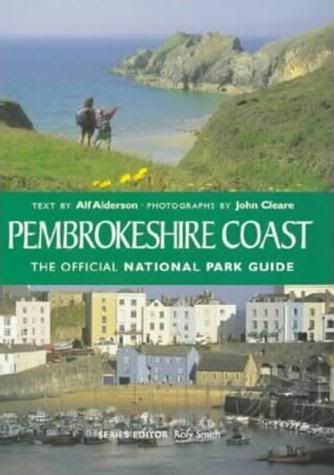

External Links
 The Upper Tier (Photo by Nanuls) The Upper Tier (Photo by Nanuls) Huntsman's Leap (Photo by Nanuls) Huntsman's Leap (Photo by Nanuls)Government Bodies and Other Organisations Pembrokeshire Coast National Park Authority Association of National Park Authorities Royal Commission on Ancient & Historical Monuments in Wales Maritime and Coastguard Agency Outdoor Organisations and Companies British Mountaineering Council Pembrokeshire Outdoor Charter Group Weather and Tides Tourist Information Travel Information Welsh Public Transport Information Accommodation Youth Hostel Association in Wales Maps and Guidebooks
Cordee Travel and Adventure Sports Bookshop Wildlife and Conservation Joint Nature Conservation Committee Royal Society for the Protection of Birds |