Overview
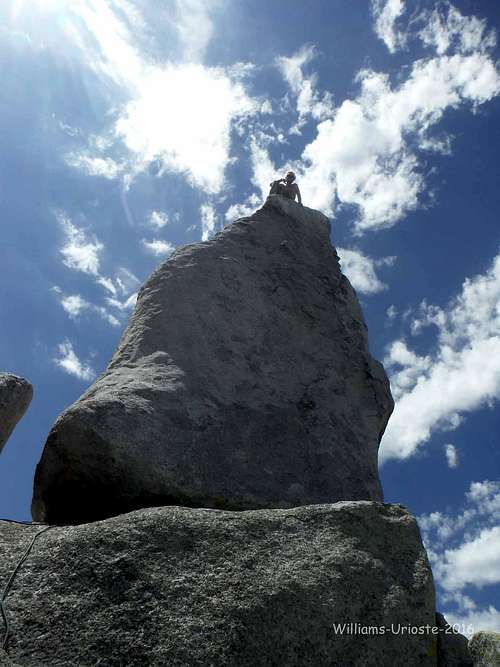
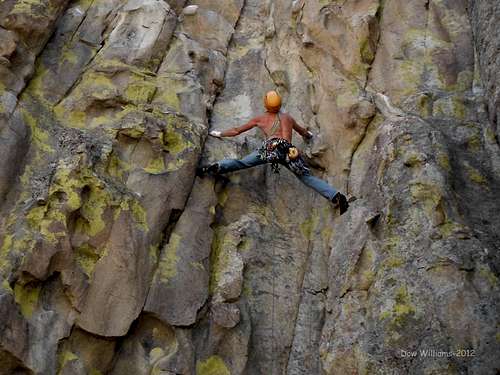
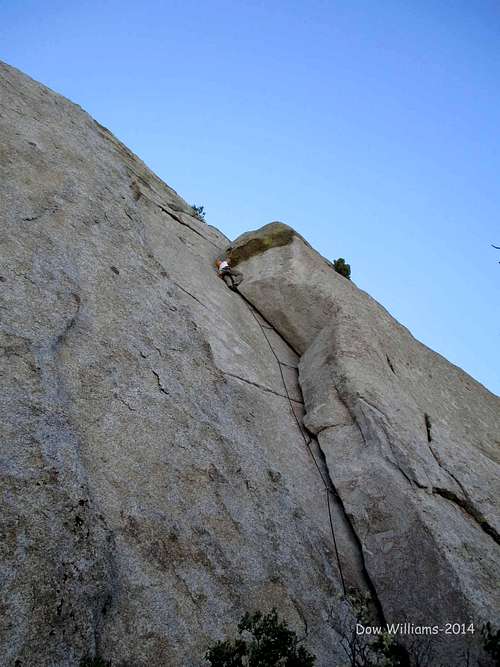
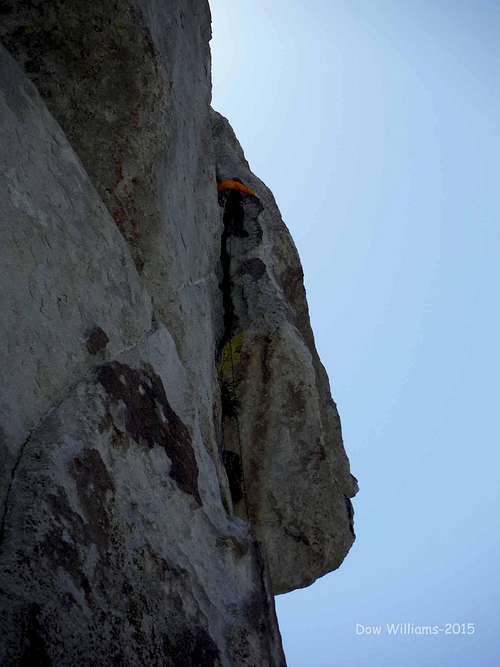
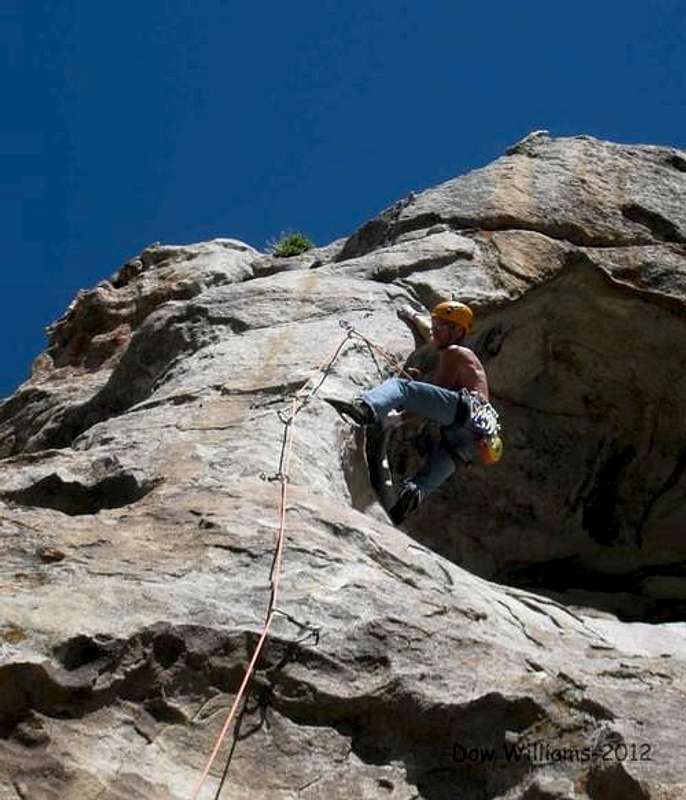
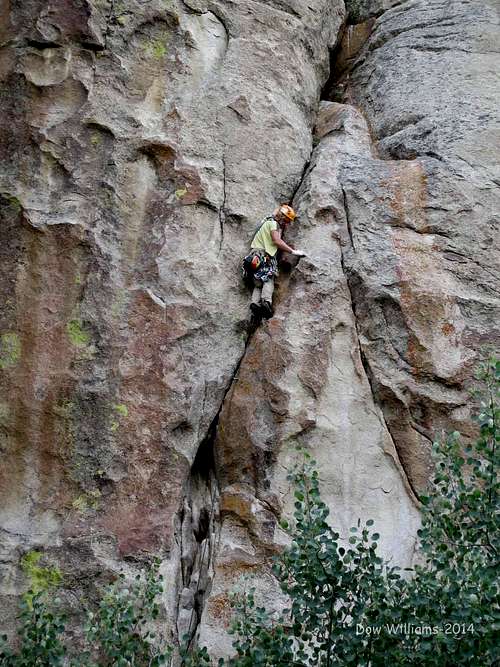
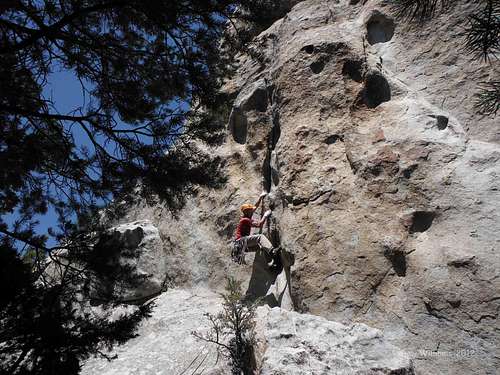
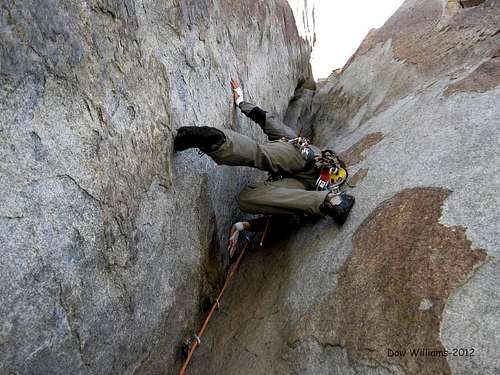
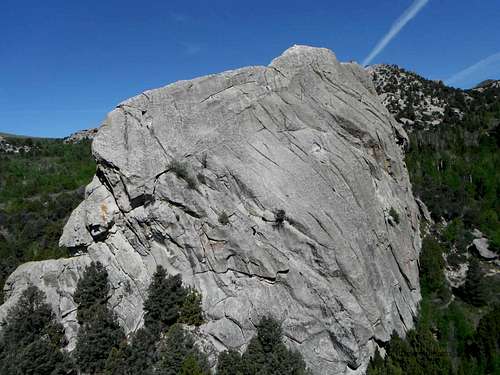
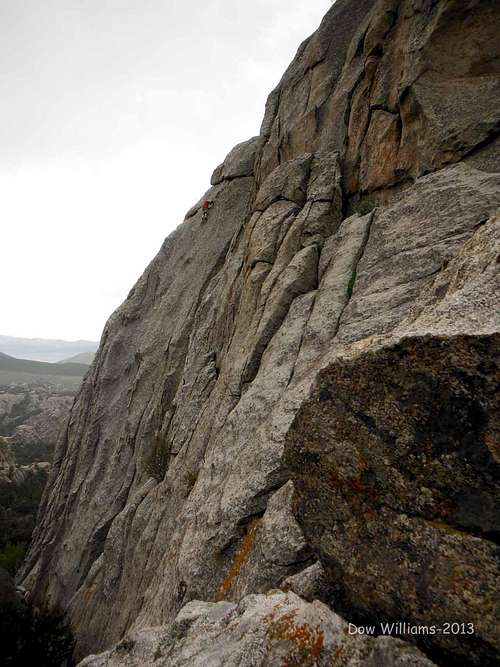
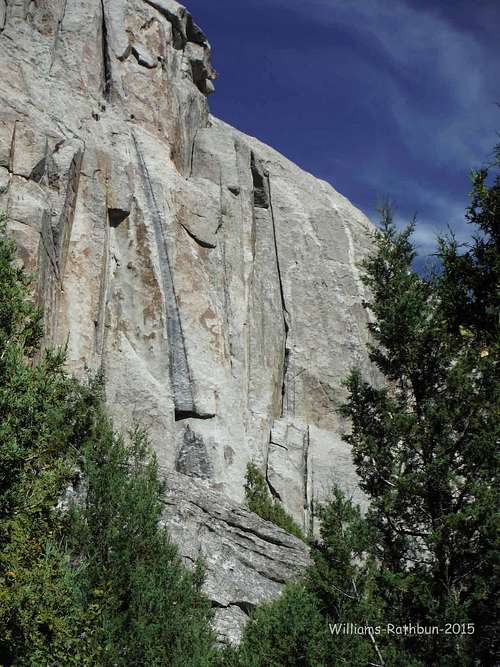
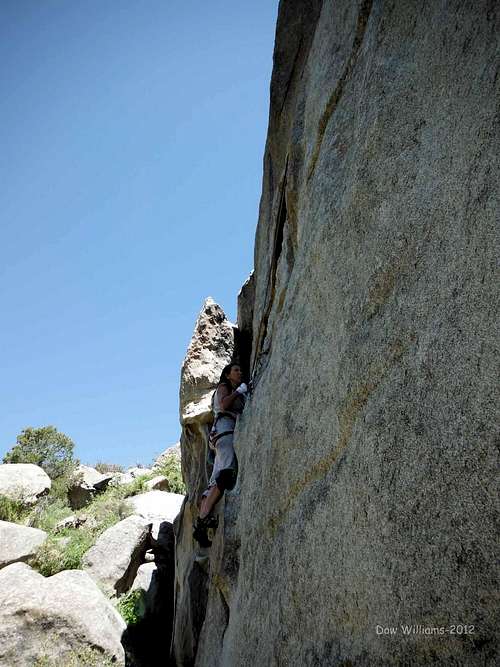
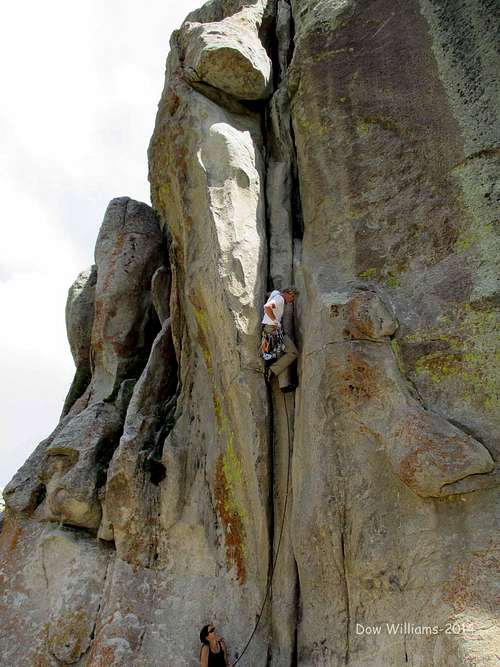
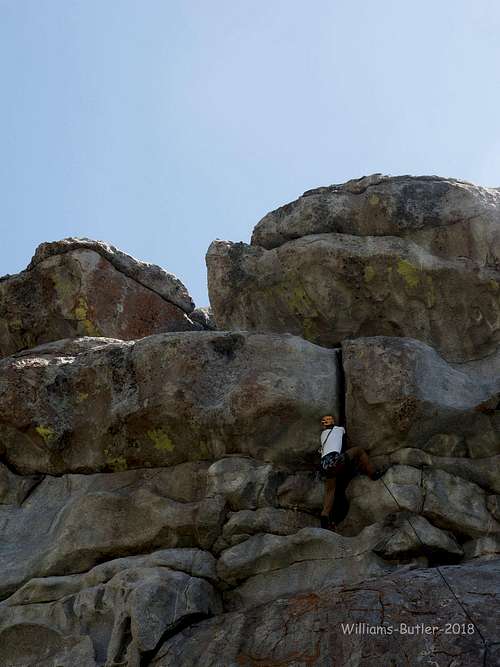
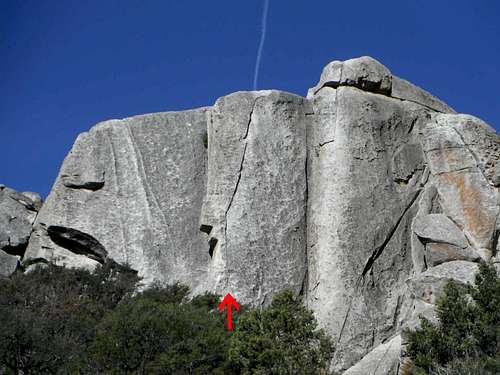
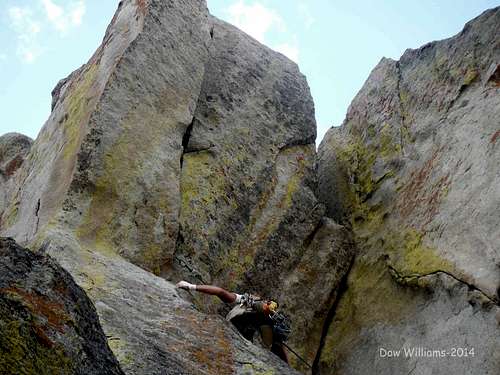
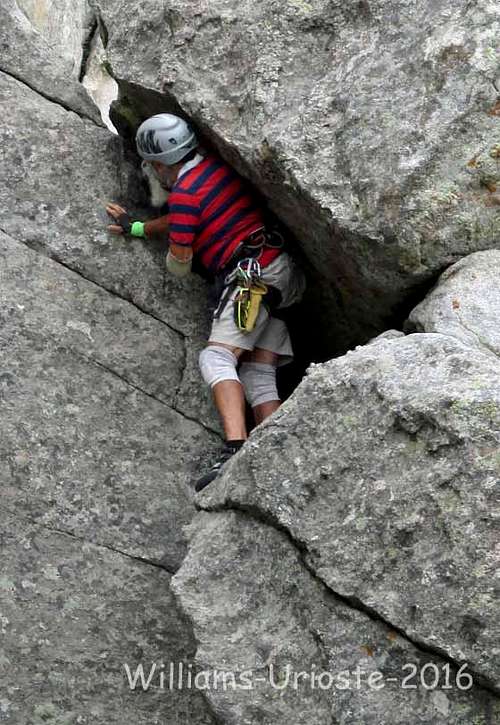
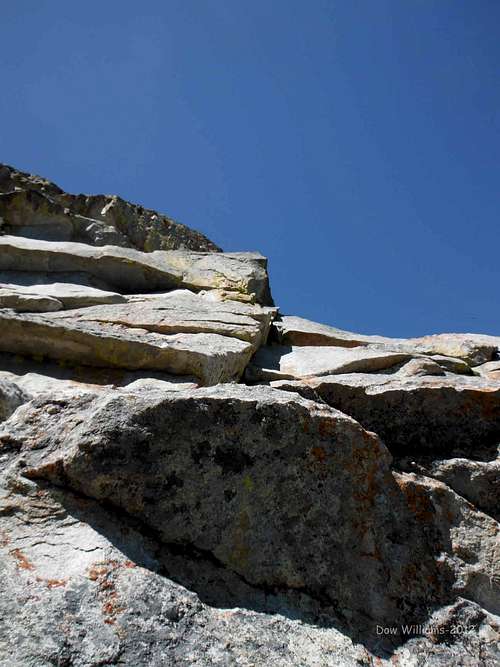
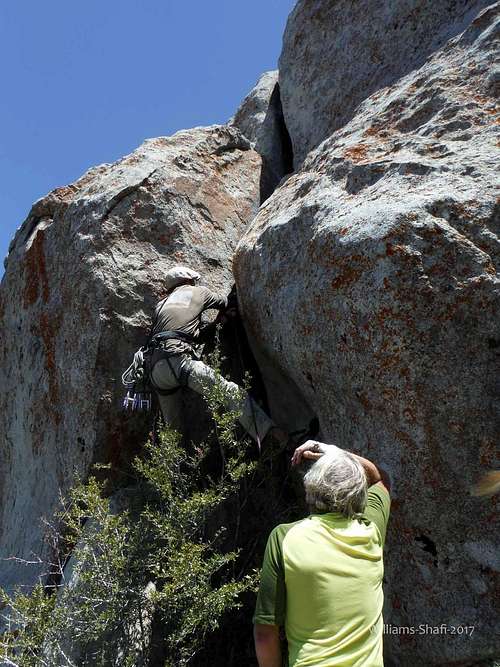
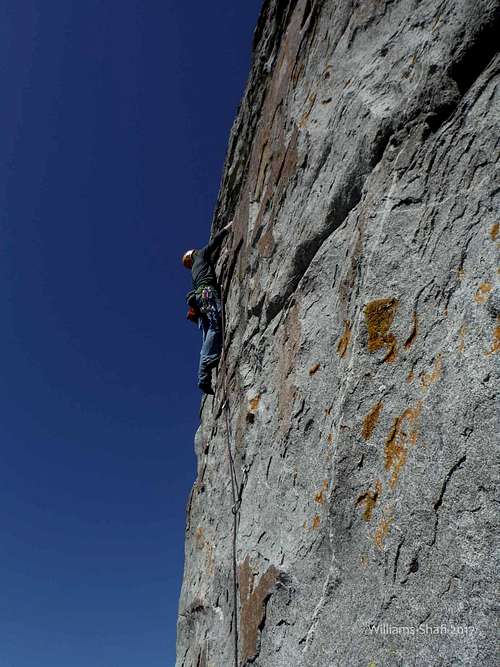
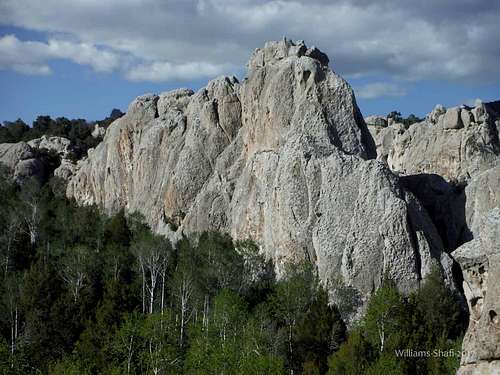
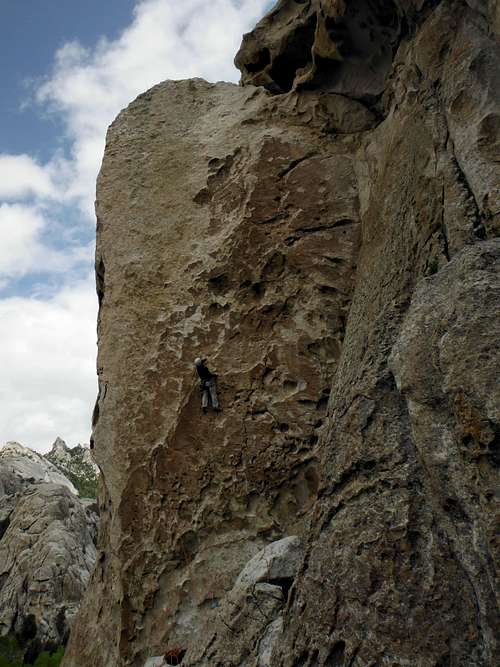
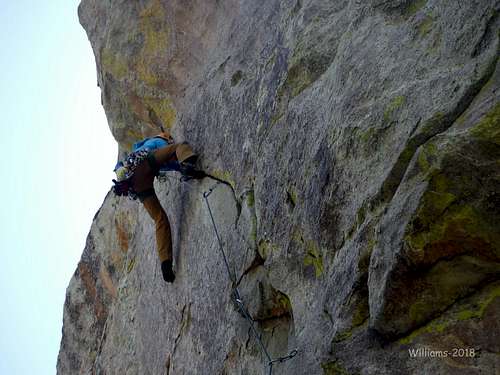
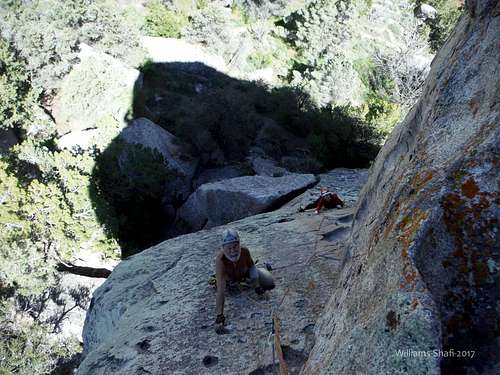
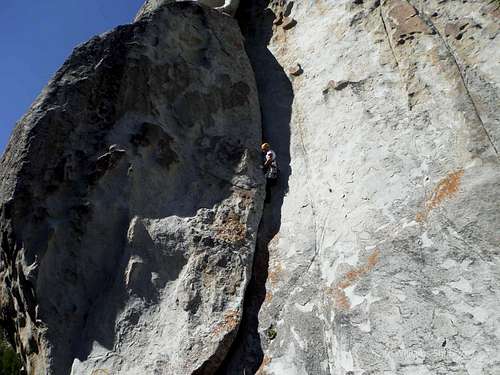
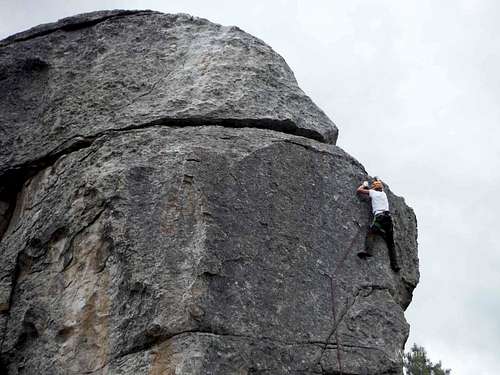
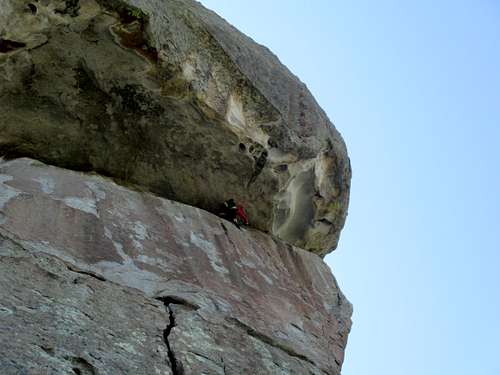
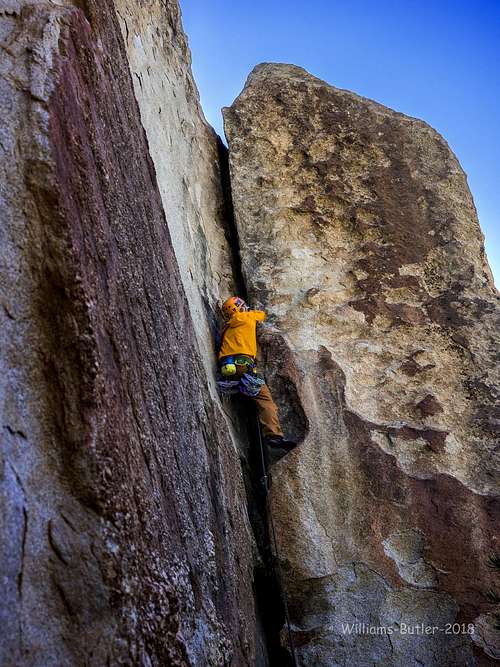
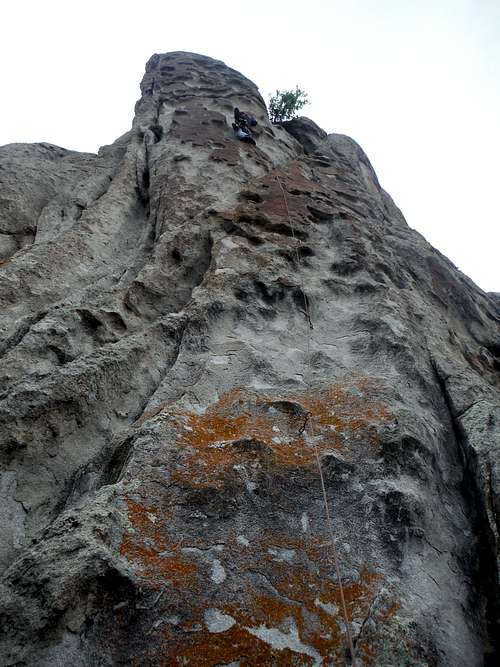
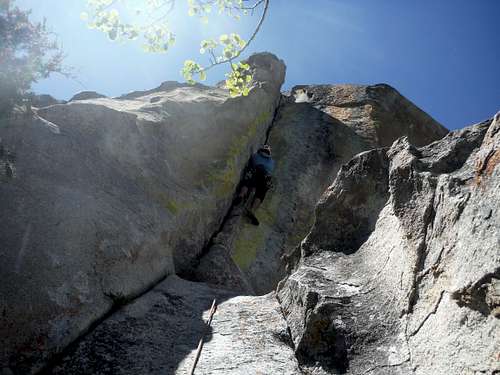
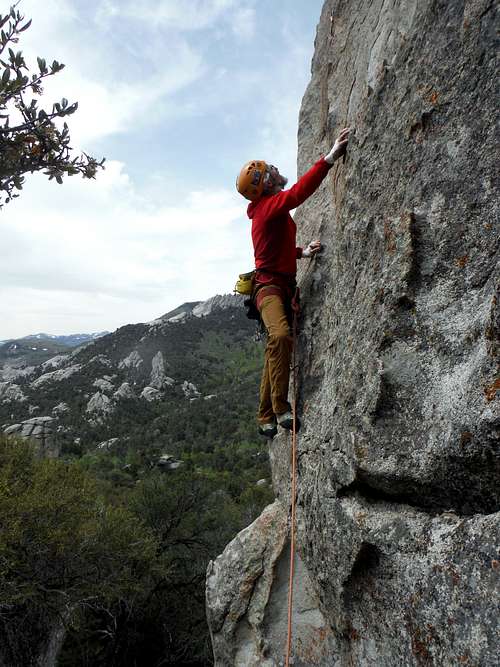
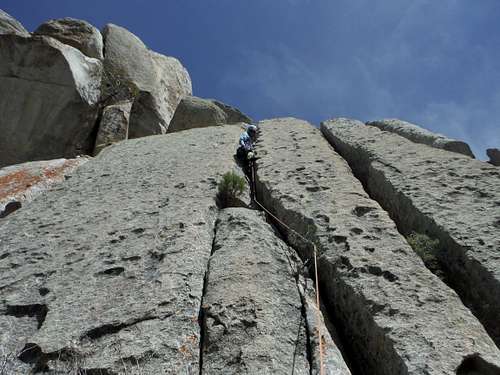
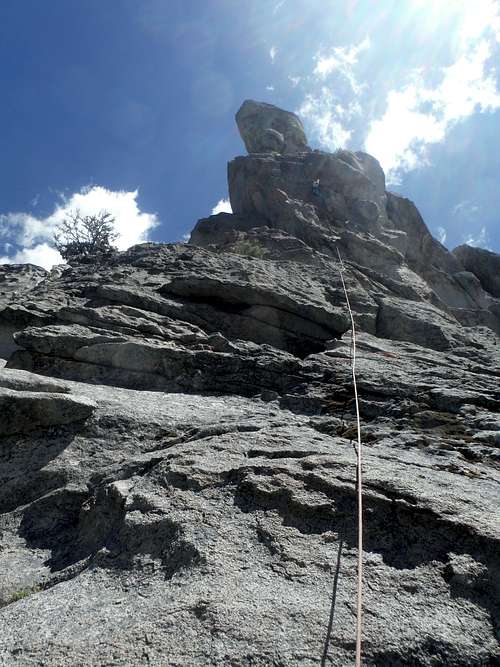
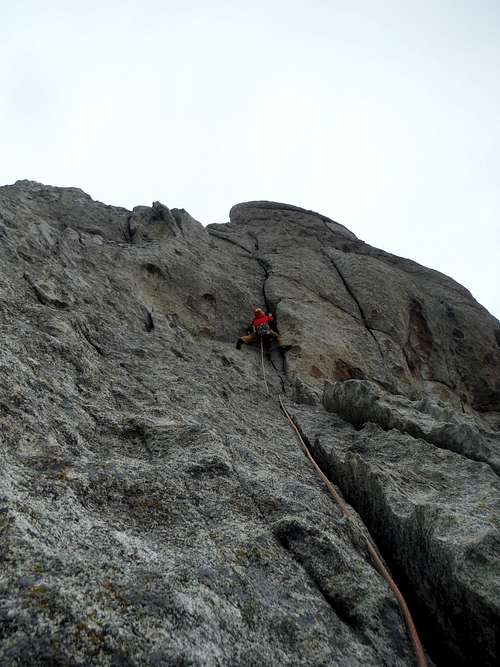
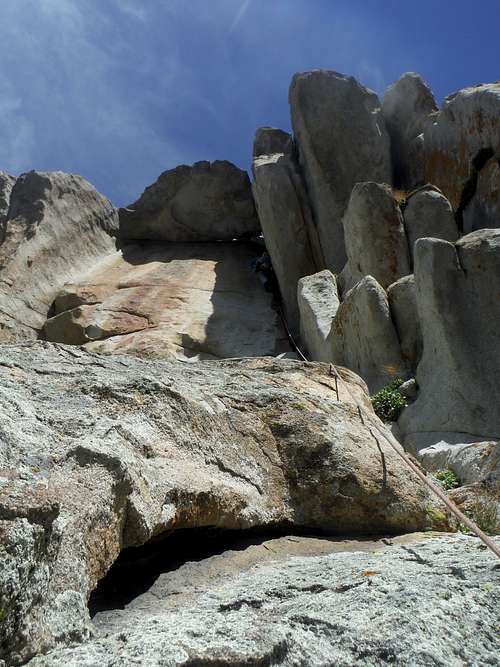
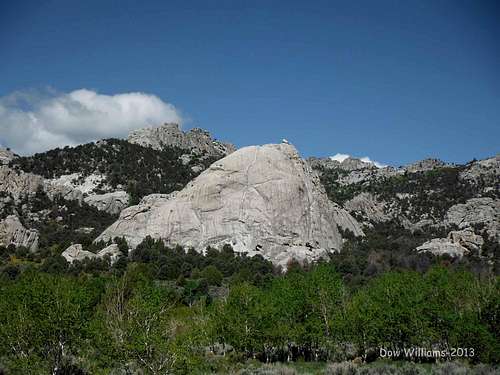
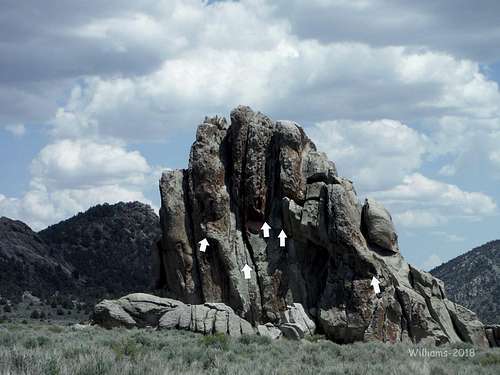
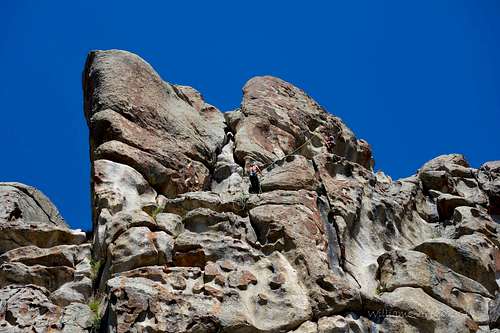
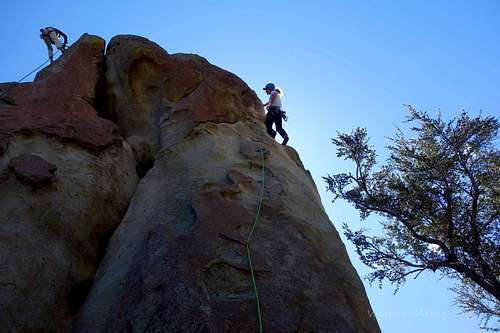
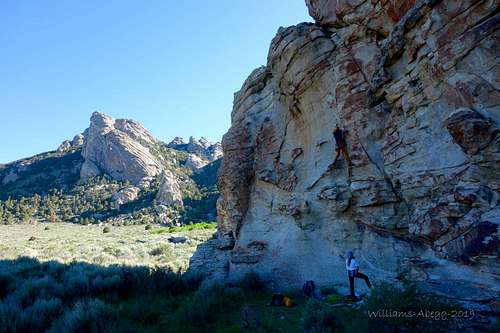
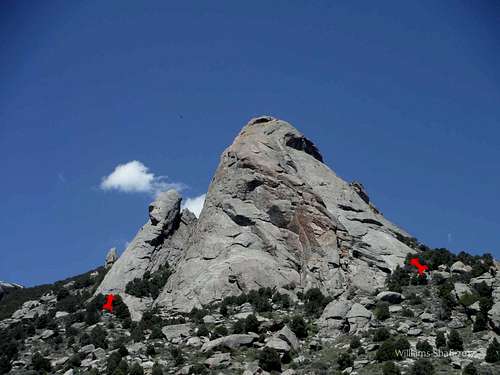
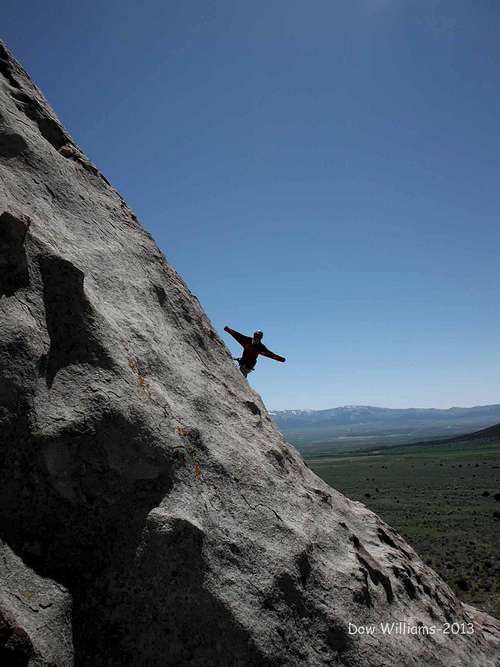
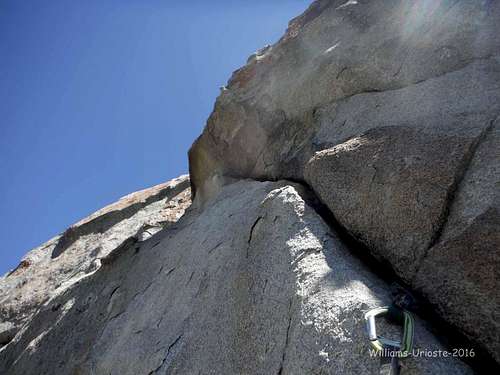
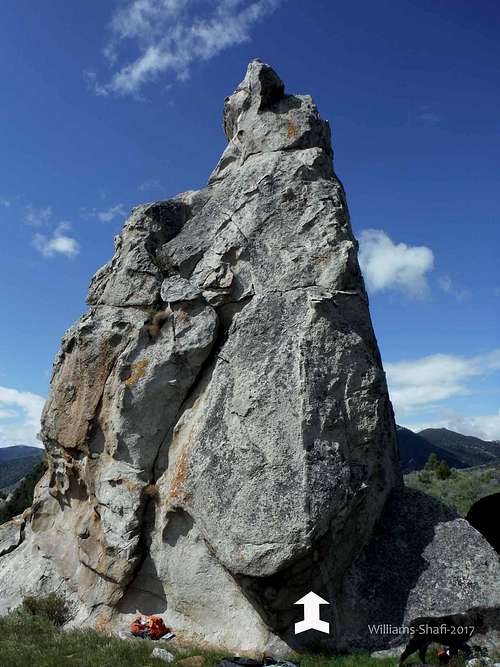
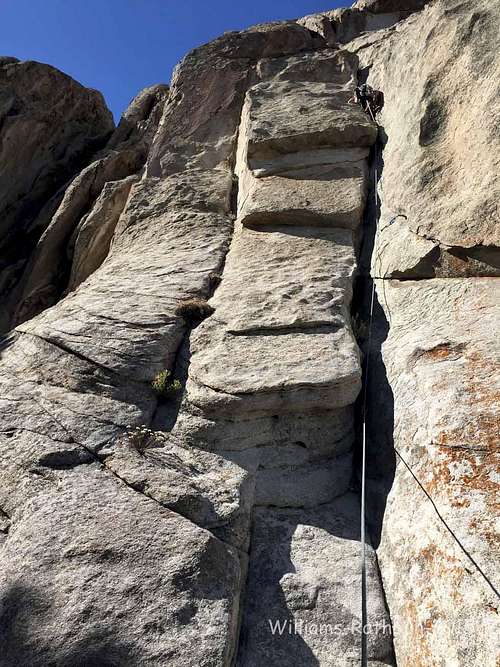
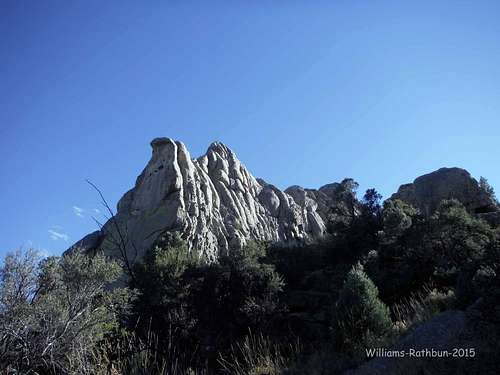
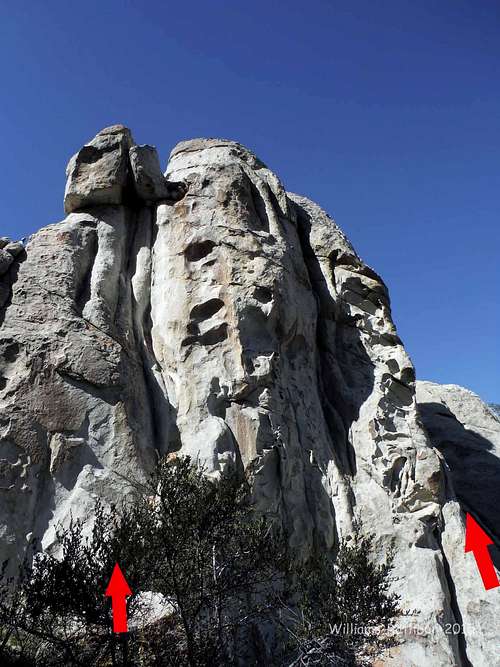
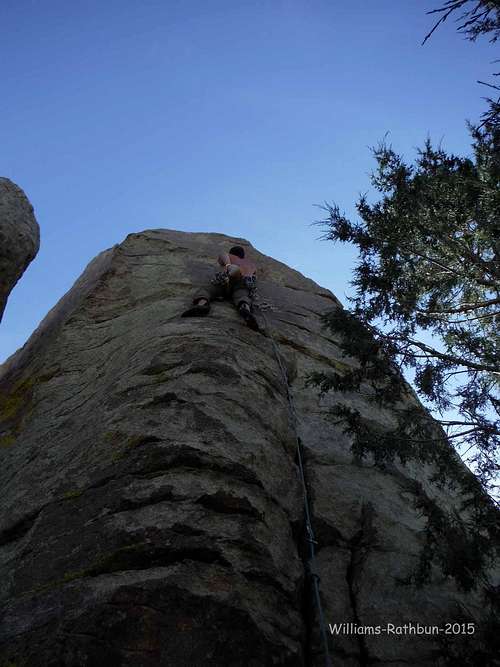
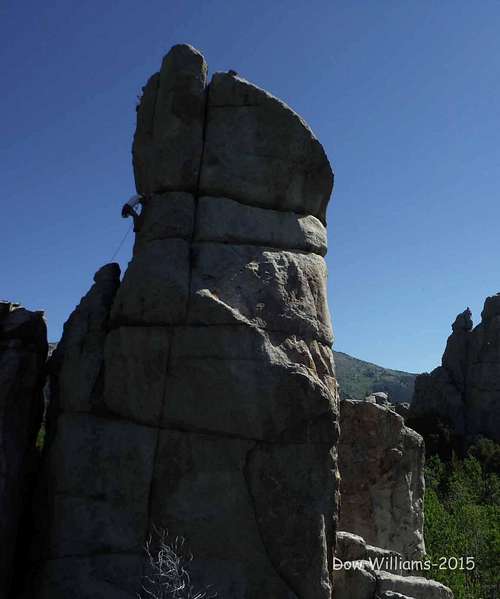
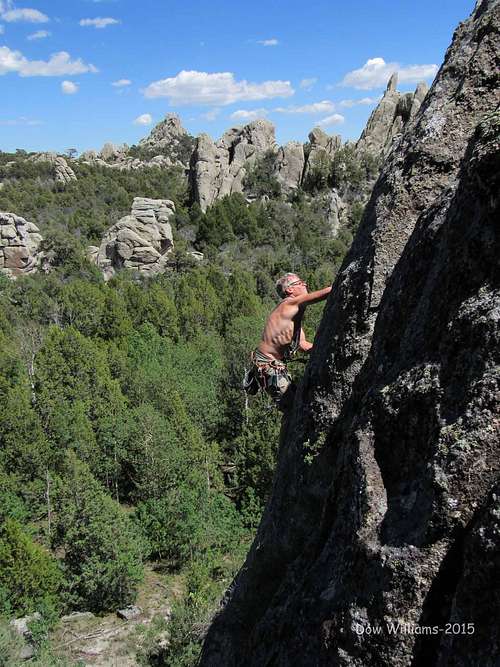
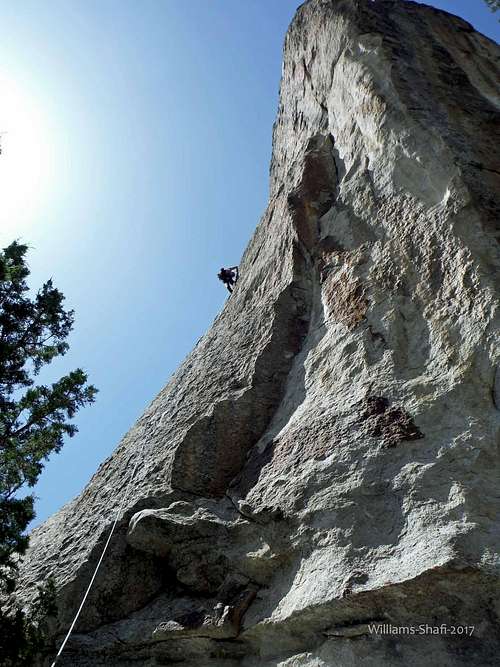
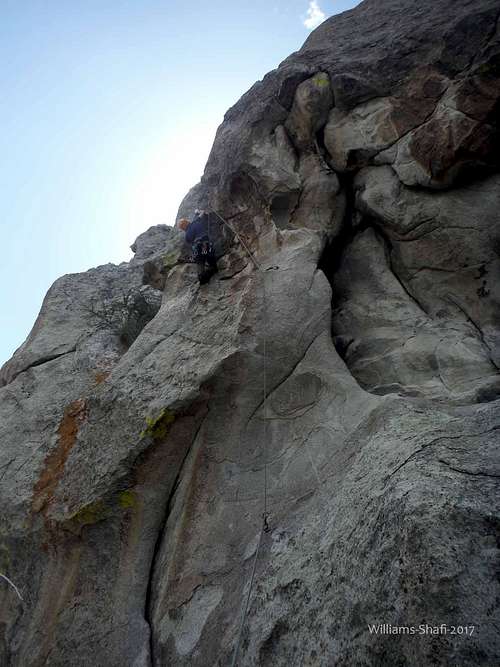
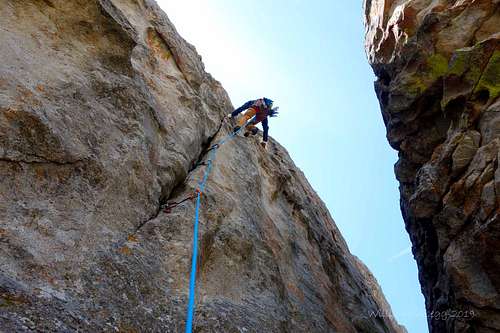
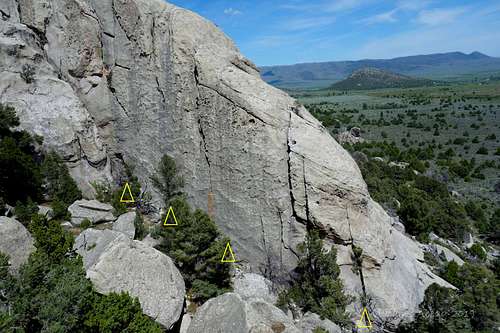
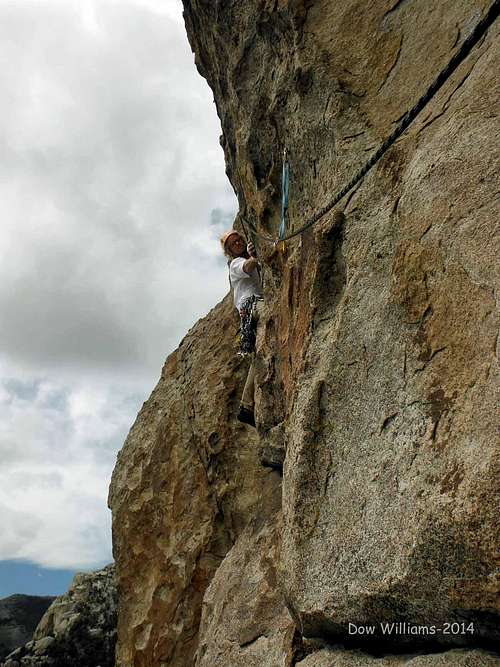
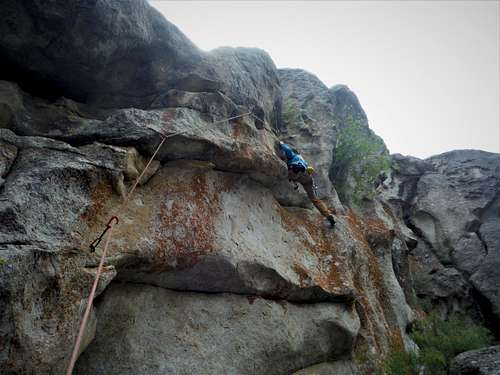
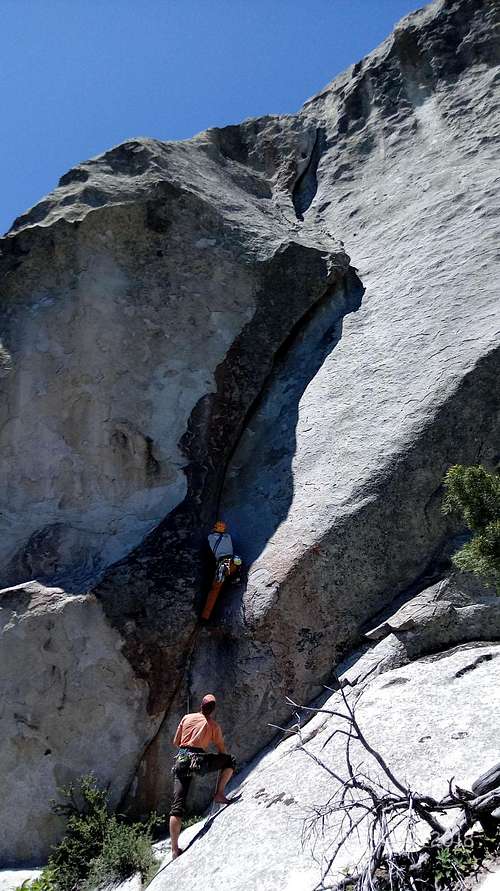
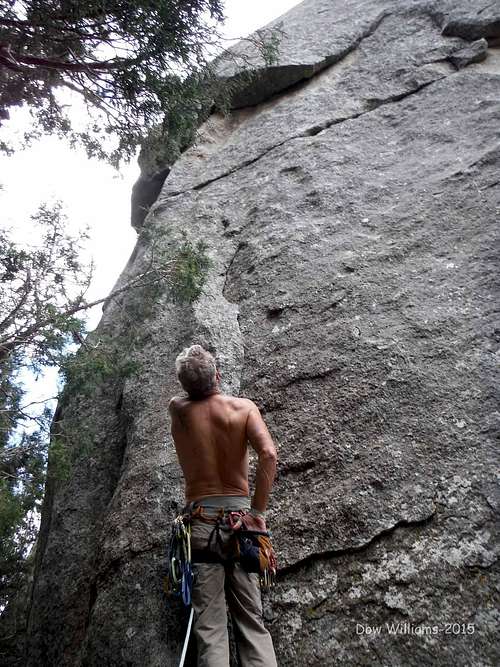
City of Rocks National Reserve is a small NPS-operated preserve located in south central Idaho (approximately 20 miles SE of Oakley, ID) just north of the Idaho-Utah state line. The name "City of Rocks" was given to this place by the 19th century emigrants traveling west along the California Trail to whom the granite formations looked like an ancient city of stone. The reserve is famous for its "collection" of granite spires ranging from 30 to 300 feet in height. The City lies at the northern edge of the Great Basin at an elevation of 6000 to 7000 feet above sea level.The rock formations in The City are composed of highly featured rock famous in particular for its protruding plates. West facing crags generally feature steep climbs on clean, brown rock while east faces tend to have lower angled climbs on whitish rock. The City offers a mixture of climbing types - from more classic crack climbs to modern, highly technical bolted routes. The 5.13 climber might find The City lacking but everyone else will find plenty to do. There are trad routes in the 5.4 to 5.12 range and a great abundance of 5.11 sport climbs (sport climbs up to 5.13 can also be found).
Getting There
From West: From Boise, take Interstate 84 to Burley. This is a seasonal route (usually impassable in winter/early spring or after heavy snowfall). Proceed south about 20 miles to Oakley. Turn left in the center of Oakley following signs for City Of Rocks. In about a mile (outskirts of town), veer right at fork (signed). Proceed several miles on dirt roads till you reach a signed junction. Turn left and you'll arrive at the Upper Breadloaves west entrance in about 5 miles.From East: From Pocatello, Idaho Falls, etc. take Interstates 86 and 84 to the Declo exit south to Idaho Route 77. Proceed through Albion and Elba to Almo. Proceed south out of Almo, past the ranger station (on left) and turn right at a marked junction. This will put you on the east end of the City.
From South: From Salt Lake City take Interstate 84 to north of Snowville, proceeding west on Utah Routes 30 and 42. This takes a bit of careful navigation first time around on the endless miles of dirt roads. If you do everything right, you will end up at the eastern entrance to the City.
Directions above taken from the NPS website and supplemented with personal experience.
Within The City: A single main dirt road cuts east-west across the City with a southern branch heading to the Twin Sisters area. The western entrance is next to the Breadloaves formation while the eastern entrance (watch for private land) is nearest to the town of Almo. A branch dirt road to the North Fork Overlook Trailhead can be picked up on the east side (east of Twin Sisters turn off; this is the standard TH for climbs on Jackson's Thumb and Steinfells Dome).
Travel times to the City of Rocks (from L. Davis' guidebook):
Burley, ID: 45 minutes
Boise, ID: 4 hours
Salt Lake City, UT: 3.5 hours
Portland, OR: 10.5 hours
Seattle, WA: 12 hours
Las Vegas, NV: 10 hours
Boulder, CO: 13 hours
Red Tape
There are no fees or permits required to enter the City of Rocks. Be aware however that seasonal closings of certain routes and/or formations do happen. These are either due to bird nesting or climbers' impact on historical artifacts. Inquire at the ranger station in Almo, ID (5 miles NE of The City, contact information below) or at least check the bill board located in the parking lot across the road from the Bath Rock formation inside The City. Also note that the Twin Sisters formations are currently closed indefinitely to all climbing activities.Note that dogs are currently allowed with little restrictions everywhere inside The City. Keep them leashed and clean up after them and generally be respectful of others when enjoying The City with your dog so that this priviledge is not revoked in the future.
All questions regarding closures and other park-specific issues should be addressed to the helpful folks at the ranger station in Almo:
City of Rocks National Reserve
P.O. Box 169
Almo ID 83312-0169
208/824-5519
When To Climb
Climbing at The City is a three-season affair. South-facing walls become pleasant as early as April and good climbing can be had well into October. Summers in The City are generally dry with most of the annual precipitation happening in the winter. Spring time is pleasant though afternoon thunderstorms are frequent.Camping
A collection of beautiful camp sites are scattered throughout the park. These can be reserved through the ranger station listed above. It is generally a good idea to reserve a camp site for a summer weekend outing well ahead of time. The sites are equipped with a picnic table and level tent platforms; a series of pit toilets are strategically scattered throughout the park. Drinking water is available at a pump just off the main park road near the Upper Breadloaves formation at the northern end of the park.Camp site rates (from the NPS website):
Camping and reservation fees for individual sites:
$7.00 per campsite per night (maximum of eight people)
$5.00 per extra vehicle per night (total of two vehicles allowed per campsite)
$6.00 non-refundable reservation fee per site (reservations are not required for individual sites)
Camping and reservation fees for group sites:
$25 non-refundable reservation fee (reservations are required for group sites)
$2 per person per night (minimum of 17 people)
Note that within the last year, the free camping on the alotted BLM land (just outside Almo, ID) was eliminated. Instead, if you are not able to get a camp site inside the City you have the option of trying the newly-established private campground. For a stiff fee, you will be able to camp and to use their overflowing porta-johns (don't expect to have drinking water available either). A better option is to seek out some national forest land beyond the northern boundary of The City and camp there (ask the rangers at the station for options).
Mountain Conditions
Contact the Almo Ranger station (see above) for current climbing conditions in The City. The NPS also maintains a website for the Preserve: NPS website.Nearby Towns
The closest "town" to the Preserve is Almo, ID. It has the ranger station, a seasonal restaurant, and a general store (with a one-pump gas station). Note that the store is closed on Sundays and has no climbing supplies. You can get chalk at the one restaurant in town along with a decent burger and an indifferent service (these guys have the monopoly here and they act accordingly).The next closest town is Oakly, ID (18 miles away IF the seasonal road is open). It has a grocery store, a gas station and other small-town amenities. Don't expect much more than you see in Almo.
Closest "big town" is Burley, ID and is 38 miles away.
Given these choices, one should come prepared to the City, with own food, brew, and (redundant) climbing supplies. It is a good idea to have a large water container since (depending on where you're camping) you're not likely to feel like going to the one pump in the preserve more than once a day.
Climbing Guide Books
There are currently three (in-print) rock climbing guidebooks available for the City of Rock:1. City of Rocks Idaho, A Climber's Guide by Dave Bingham. New edition of this guidebook is now out. Beautiful topos superimposed on formation photographs. More routes included than the older edition as well. A "must-have" for City climbers.
2. Classic Rock Climbs - City of Rocks by Laird Davis. Nice crag photos with routes superimposed (helps greatly when looking for a route). However, as the name suggests this little book lists only the "classic" climbs.
3. The New City of Rocks by Mike Forkash. A lousy purchase. Sketched route topos with very poor crag photos included. Low quality maps also included.
4. Rock Climbing City of Rocks by Tony Calderone. Out of print and next to impossible to find. Probably the best guidebook to the city (all the good qualities of the L. Davis' guidebook but more comprehensive). Only downside is that it's slightly out of date and does not include some of the more recent (but excellent) routes.
Overview Of Main Formations:
This section is continually evolving as better photos (of formations not yet listed here) and more route descriptions are added.Elephant Rock
Routes:(1)Just Say No, 5.9. By far the softest route I climbed to date at the City..felt more like 5.7-8. Not near the experience that Rye Crisp is. That Just Say No is at 5.9 and Just Say Go is 5.10a is a big contrast. Several grades separate these climbs. Dow
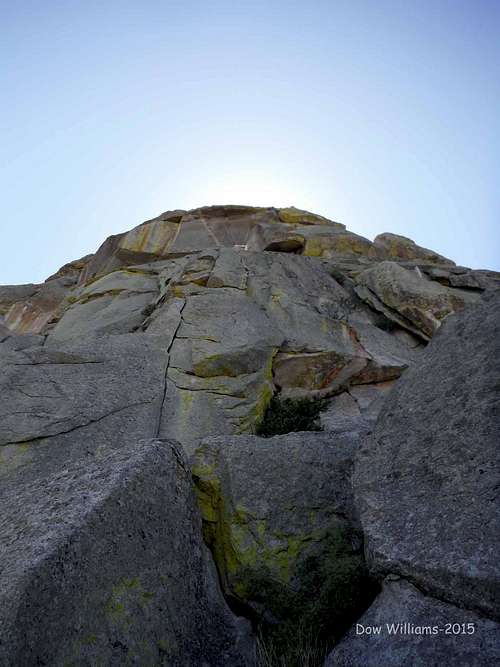
(2) Rye Crisp, 5.8, 110 feet. This one-pitch line is located on the butt-side (SE) of Elephant Rock (visible from pull-out area). Look for an obvious huge flake about 40 feet left of Wheat Thin. This is a stellar and a unique route! Scramble up to reach the lower flake. Traverse left and up underclinging, liebacking and/or jamming around the flake to its top (abundant feet). Traverse right on top of this flake to reach the upper flake (thinner). Again, traverse out left and up using the thin flake. Follow a groove/crack system to the top. Move 6 feet left to a bolt anchor atop a sport line (2 sets of bolt anchors actually if you look carefully). Gear: Cams from yellow Alien to #4.5 Camalot with (possibly) doubles in #2 to #4 Camalots.
(3) Wheat Thin. Click link for description.
(4)Just Say Go, 5.10a. Seemed a bit sandbagged and a little X, but worth doing for sure. The initial slab is quite technical steep slab off the deck. Once you get to the ledge, a critical .75 C4 is what it takes to protect the first move before you clip the bolts again, but is a lower case "x" in truly protecting all your body parts from this 2nd ledge. Dramatic and balanced move to pull up to the bolt. From there, fun exposed 5.9 arete climbing. Dow
Bath Rock
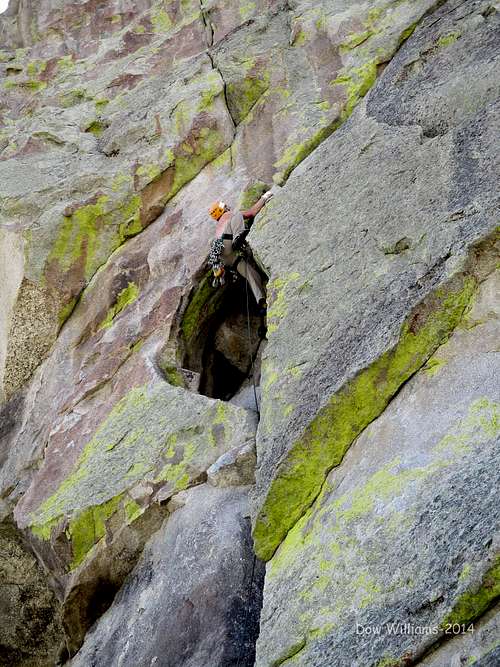
Routes:(1) Private Idaho, 5.9, 80 feet. This one-pitch line is located on the backside (west) of Bath Rock. Look for an obvious left-facing dihedral with a thin (to none) crack in it. You can see bolt anchor 80 feet up above a slot through a bulge. Climb the dihedral which is a bit funky despite the large holts on the sidewalls. Exciting lead given the thin pro on this lower third. Terrain eases above bulge until you hit the second (more prominent bulge). To keep the rating at 5.9, get through bulge via the flaring slot on the right. Easy crack above brings you to bolt anchor. Gear: Few small nuts. Cams from blue Alien to #3 Camalot with (possibly) doubles in green Alien to #0.75 Camalots.
(2)Colossus, 5.10c. Tough lead for me. Two cruxes, nailed the lower one, real fun spanning left and pulling out of lower hole. Top crux is incredibly reachy, got it clean on top rope, but failed miserably on lead. It is there, like the guide book says, you just can't let yourself get pumped out wondering about it, right hand, 6' tall no worries. Must do with Private Idaho. Dow
Morning Glory Spire (a.k.a. Incisor)
Routes:(1)Skyline. Click link for description.
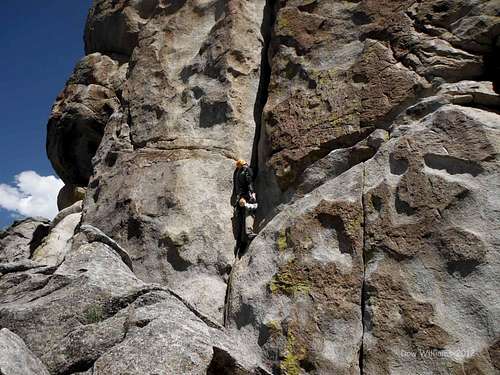
(2)Chimney, 5.8. I enjoyed this route much more than Skyline myself. Led them both back to back. "Chimney" was more sustained climbing and involves more thought. . Dow
(3)Crack of Dung, 5.10a. Tough pitch of climbing for me...total flaring chimney with finger crack deep in. Take a C4 #6 to protect the upper half as the finger crack closes down. Easier chimney like climbing up above, but run out. Its name is quite appropriate, plenty of pigeon crap and a live pigeon nesting in June. Dow
Parking Lot Rock
Routes:(1) Norma's Book. Click link for description.
(2)Batwings, 5.8+. One of the more challenging 5.8's I have climbed anywhere I suppose, and I have been climbing full time for many years. It was hot as hell. Avoid in the sun, you will be shocked at how reflective this wall can be, I only did it to avoid all the folks on the shady routes on a Sat. The early crux move is very well protected, a .4 C4 horizontal. The dihedral is a pleasure. When it peters out, pro becomes a luxury. A .5" mastercam was critical in a pod before you hit 35' of slab run out. Straight up scares the hell out of you!....just traverse left, then back right following well defined, but not absolute, features. Very good route, one of the best if not the best for the grade at the City. Dow
(3) Tow Away Zone, 5.10a, 80 feet or 150 feet. This one-pitch gem is on the east (that's side opposite the parking lot) side of the formation. Follow the driving/approach directions under Norma's Book page above. From the parking lot, hike around the formation (either heading right or left). Located 30 feet left of Funky Bolt. Start up a slabby face placing micro stuff where possible. Clip the single bolt (20 feet above ground & hard to see) and stem your way for another 5 feet out of the difficulties. Step left to an OK, 5.8-ish handcrack. Follow it up. Either step right to Beauty And The Beast bolt anchor at ~80 feet or make a run for the large horn with slings that sits atop Funky Bolt (runout but easy slab). Gear: One or two tiny nuts. Cams from blue Alien to #2 Camalot with doubles in red Alien, #.75, #1, #2 Camalots. Double ropes if going for top belay option.
(4)Beauty and the Beast, 5.10a. Good Route. The crux is the slab traverse from the top of the short and shallow chimney left to the dihedral. I used a C4 #5 on the chimney and it is a bit more challenging than it looks. The slab is protected with a bolt and a piece you can slip in before committing all the way over. The dihedral is an easy pleasant finish. Dow
(5) Funky Bolt, 5.9, 150 feet. This is a mixed crack and slab/face climb on the east (that's side opposite the parking lot) side of the formation. Follow the driving/approach directions under Norma's Book page above. From the parking lot, hike around the formation (either heading right or left). Look for a thin hand crack starting about 20 feet above ground and fizzling out at about 70 feet above ground. See route photos: here and here. Climb the intially vague crack. Pass through a section of nice jams before the crack turns into a groove and disappears altogether. Clip 2 bolts (one is indeed funky) and move up the face (mostly stemming) to reach another crack/groove. Above, runout but easy slab climbing leads to top. Belay/rap (double rope) from a slung horn. Gear: One or two tiny nuts. Cams from blue Alien to #3 Camalot with doubles in red Alien, #.75, #1, #2 Camalots. Double ropes.
(6) Thin Slice, 5.10a, 80 feet. This is mostly a face climb as the thin crack is too thin for most fingers (one or two finger jams only). This one-pitch line is on the east (that's side opposite the parking lot) side of the formation. Follow the driving/approach directions under Norma's Book page above. From the parking lot, hike around the formation (either heading right or left). Located 200 feet right of Funky Bolt (NE edge of formation). Look for a weird, easy-looking crack/dihedral. Move up blocks to gain an initially low angle groove. Pull out of the groove and follow the tips crack up - steeper than it looks. Mostly a face climb. Belay from bolt anchors atop the flake/ledge. Gear: Small set of nuts with stress on small stuff. Multiple micro cams <1 inch (2+ of each up to yellow Alien). The largest piece I placed was #0.75 Camalot.
Stripe Rock
Routes:Cruel Shoes. Click link for description.
Lost Arrow Spire
Routes:The Classic Route (Lost Arrow Spire). Click link for description.
Jacksons Thumb
Routes:Theater Of Shadows. Click link for description.
Window Rock
Routes:(1)Take no Prisoners, 5.8. This route is more of a means to an end (the Window!). Bit of a chossy start, by City standards, then off to the races up an easy crack. Run north to the window, do your photos and rap back down the east face there. Dow
Animal Crackers Dome
(1) Animal Crackers 5.10a, 150 feet. This crack/flake climb reaches the top (or just about) of the dome in 2 pitches. Crack size ranges from fingers to OW. Approach formation by hiking back from the Parking Lot Rock parking area towards the main road. Turn right onto a climbers' trail before you reach the rest rooms. Hike beneath the west face of Window Rock and you'll arrive at the SW base of the formation in 5 minutes. Look for a flake system on the SW face of the dome.Pitch 1: 5.10a, 80 feet. Mantle onto a large chickenhead and move right into a nice finger crack to reach the top of the flake. Traverse flake right and up towards the widening part. Climb the 5.10a OW - the thin flake/edge on the left keeps things at 10-. Pull out of the OW and over a small roof to reach the doubly bolted belay.
Pitch 2: 5.8, 70 feet. Move back left to reach the base of an OK (though a bit flaring) hand crack. Climb the crack until it peters out about 40 feet from belay. Continue straight up on progressively easier (lower angle and more featured) terrain. Belay from gear when things level off.
Descent: Scramble right (~south or towards Morning Glory Spire). 4th class steps and "water chutes" bring you down to the dirt. Hike right around formation to the start of climb.
Gear: Cams from green Alien to #4 Camalot with doubles in #0.5 to #1 Camalots. Several pieces (I had 3) in the #4 to #4.5 Camalot (no 5's needed).
The Anteater
Routes:None posted so far.
Super Hits Wall
Routes:(1)Bloody Fingers, 5.10a. My first route at the City. What a warm up, might have climbed the best moderate crack in the park as my first impression of the place. Place gear at will and enjoy. Aesthetic to look at from the road too. My second, who does struggle a bit on crack, did bloody his fingers, thus the name I suppose. Dow
(2)Intruding Dike, 5.7. Not that impressed. Not sustained for the grade. Do not understand the high rating and popularity. I did do Bloody Fingers first, perhaps that blurred my vision, but I don't think so. Worth skipping for sure. Dow
External Links
- City of Rocks Photos
A small collection of different route photos from City of Rocks.
- Trip Report
A trip report from a climbing outing to City of Rocks. Includes a small selection of photos.
- Trip Report With Photos
Some nice photos and brief trip report. Note that there are multiple pages on The City.